SB 721 Did Not End on January 1, 2026
January 1, 2026 was the initial statewide inspection deadline for covered properties under California SB 721. It was not the expiration date of the law.
For Los Angeles apartment owners, SB 721 is now an ongoing property-management and building-maintenance issue. Owners who completed their initial inspections need to retain the documentation, address required repairs, and plan for the next inspection cycle. Owners who did not complete an applicable inspection should determine their current status and move forward rather than continuing to treat January 1, 2026 as a future deadline.
The practical focus has shifted from deadline preparation to inspection follow-through, repair planning, documentation, and long-term maintenance.
What Properties Are Generally Covered?
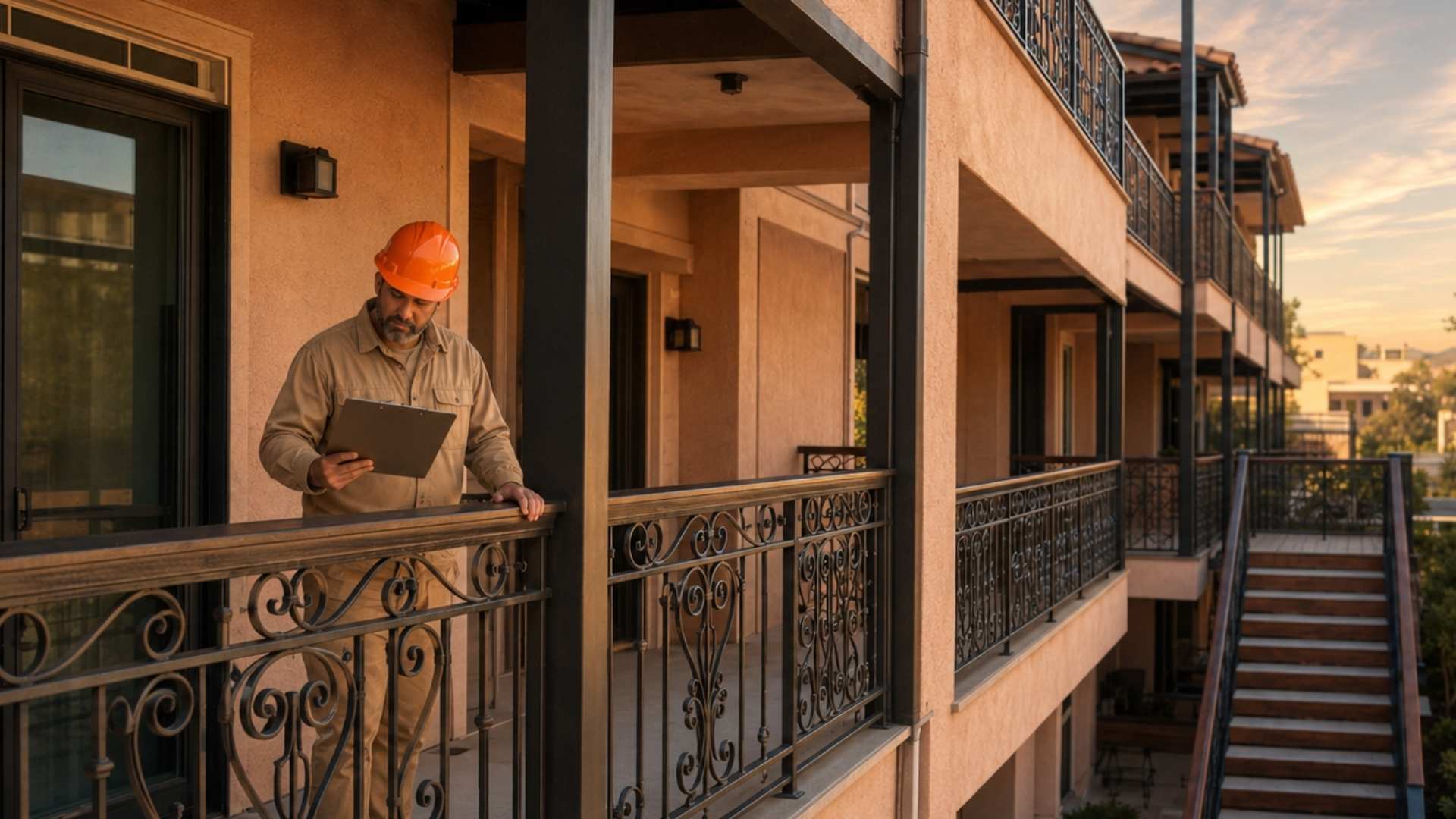
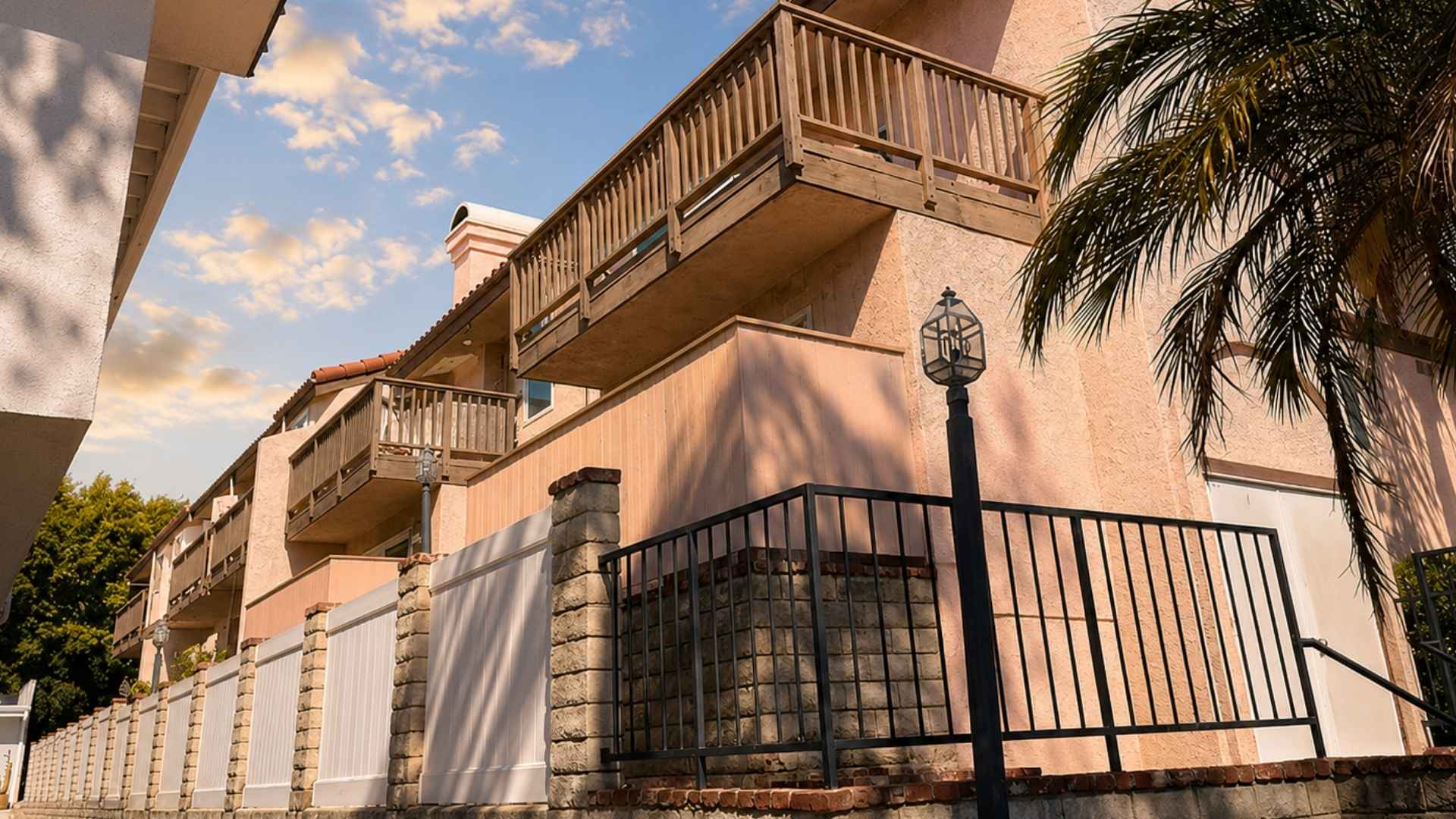
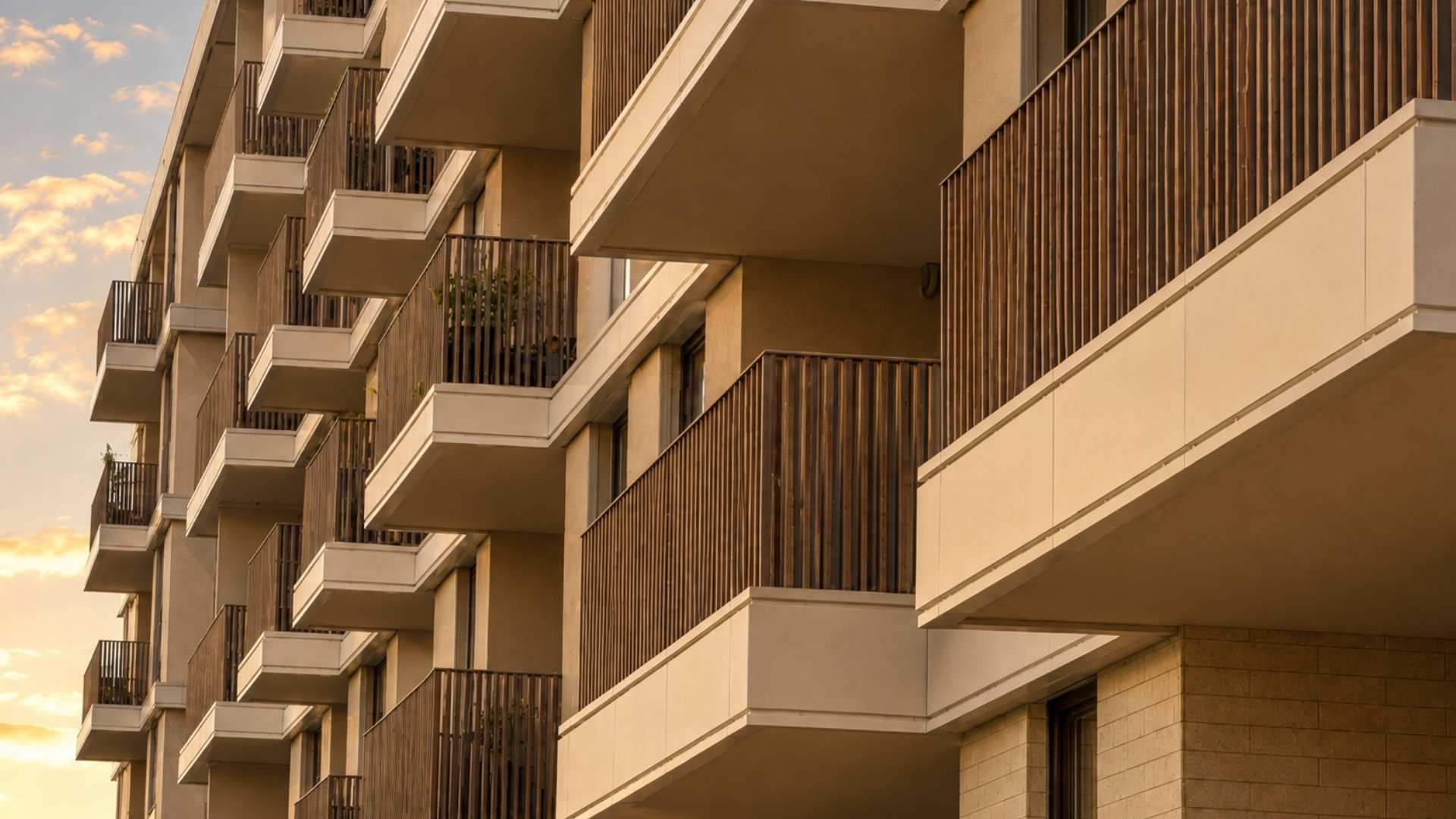
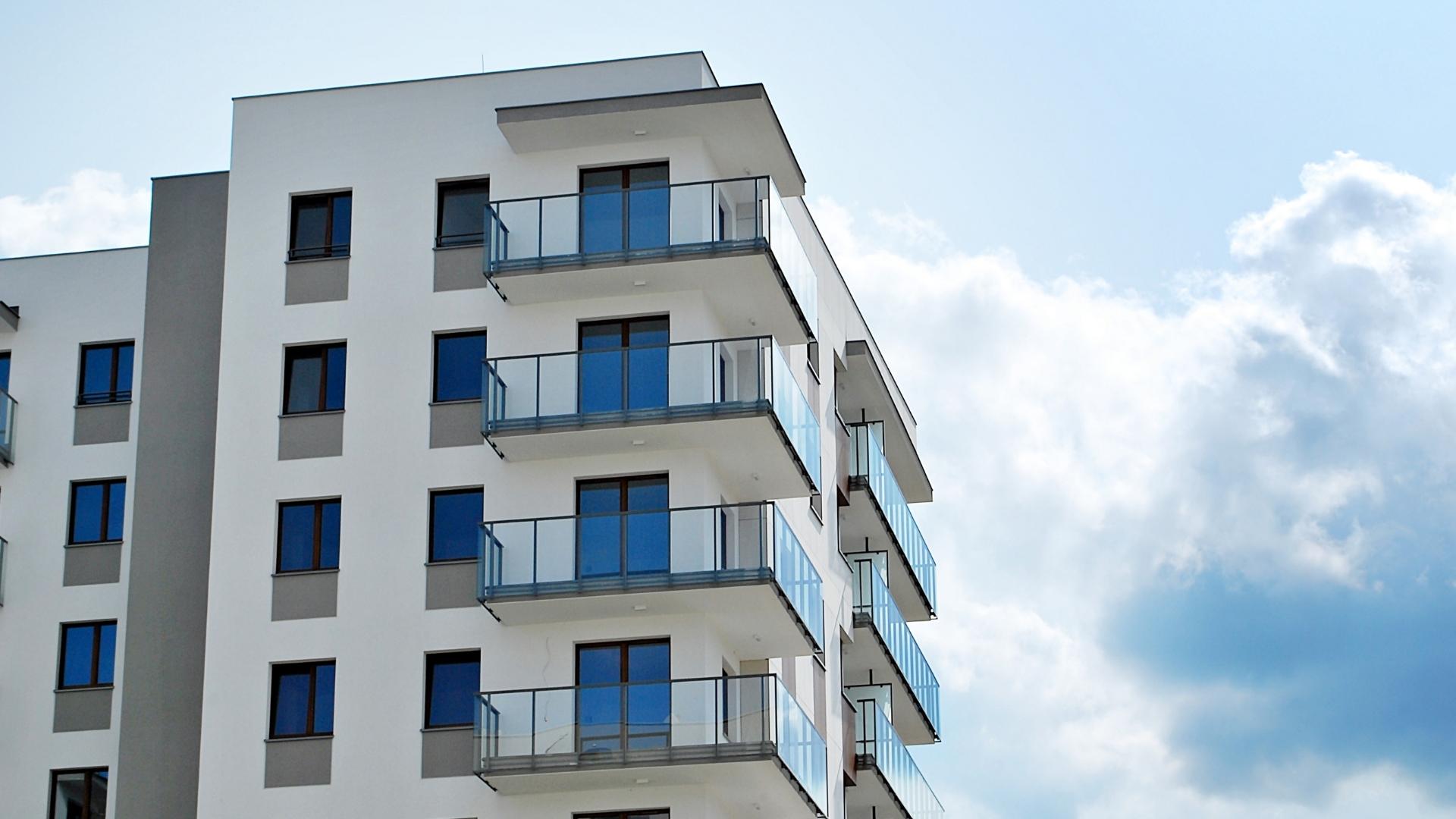
SB 721 generally applies to multifamily residential buildings containing three or more dwelling units when they include qualifying exterior elevated elements.
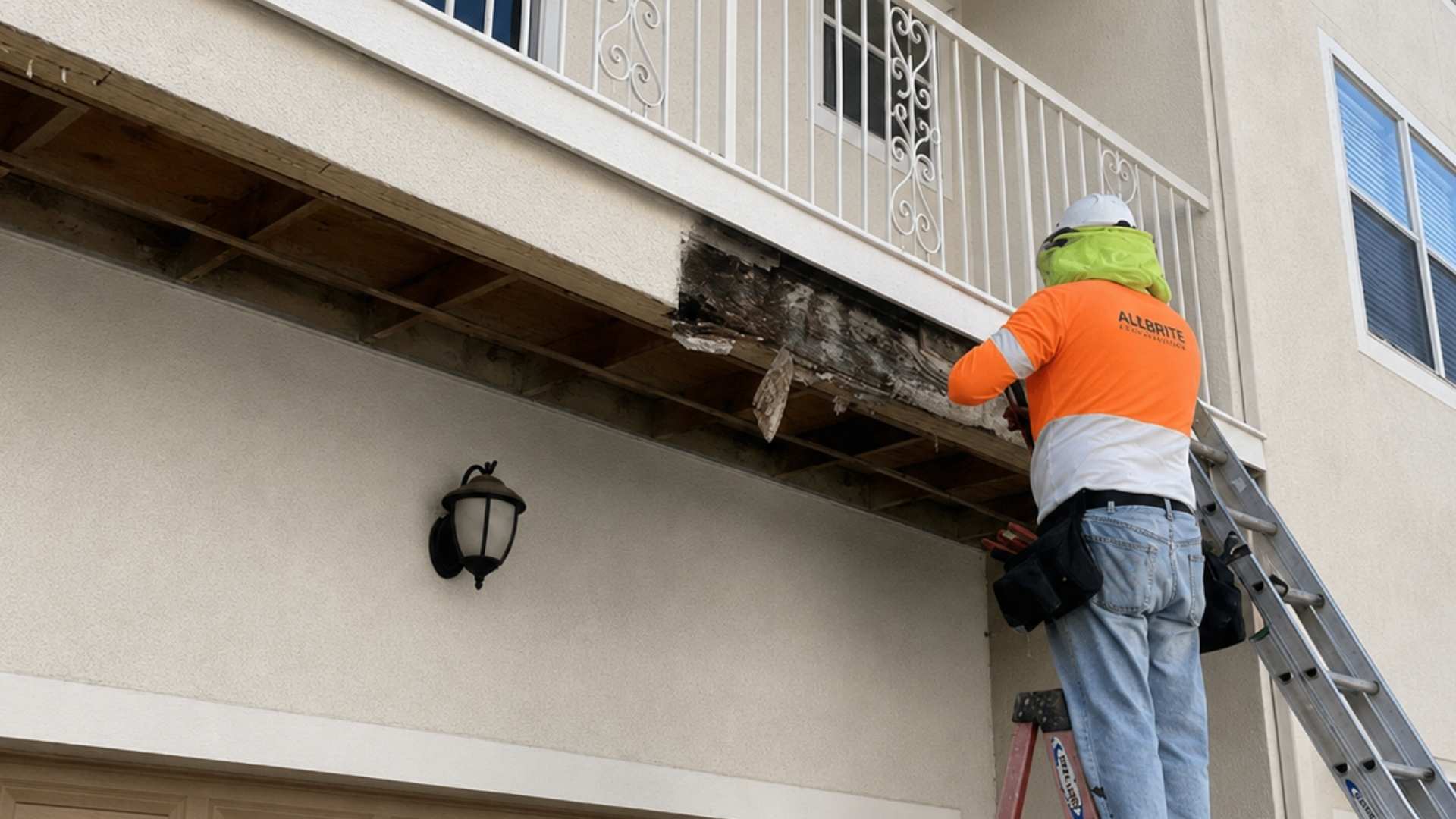
These elements may include balconies, decks, exterior stairways, walkways, porches, and similar structures that are elevated above ground and supported in whole or substantial part by wood or wood-based materials.
The law is concerned with structural components as well as associated waterproofing systems because concealed moisture intrusion can contribute to deterioration.
Property owners should not assume every exterior platform or stair automatically qualifies. Building configuration, structural support, height, use, and other statutory factors matter.
What Happens After the Initial Inspection?
For properties following the standard SB 721 cycle, inspections generally recur every six years.
That means owners should treat the inspection report as part of the property’s permanent building records rather than as a one-time compliance document.
After an inspection, the owner should identify whether the report contains:
Immediate safety concerns
Non-emergency repair recommendations
Requests for additional evaluation
Waterproofing or moisture-related findings
Suggested maintenance items
Estimated remaining service life information
Repair recommendations should then be translated into a construction plan appropriate to the condition of the property.
Immediate Safety Findings Require Prompt Action
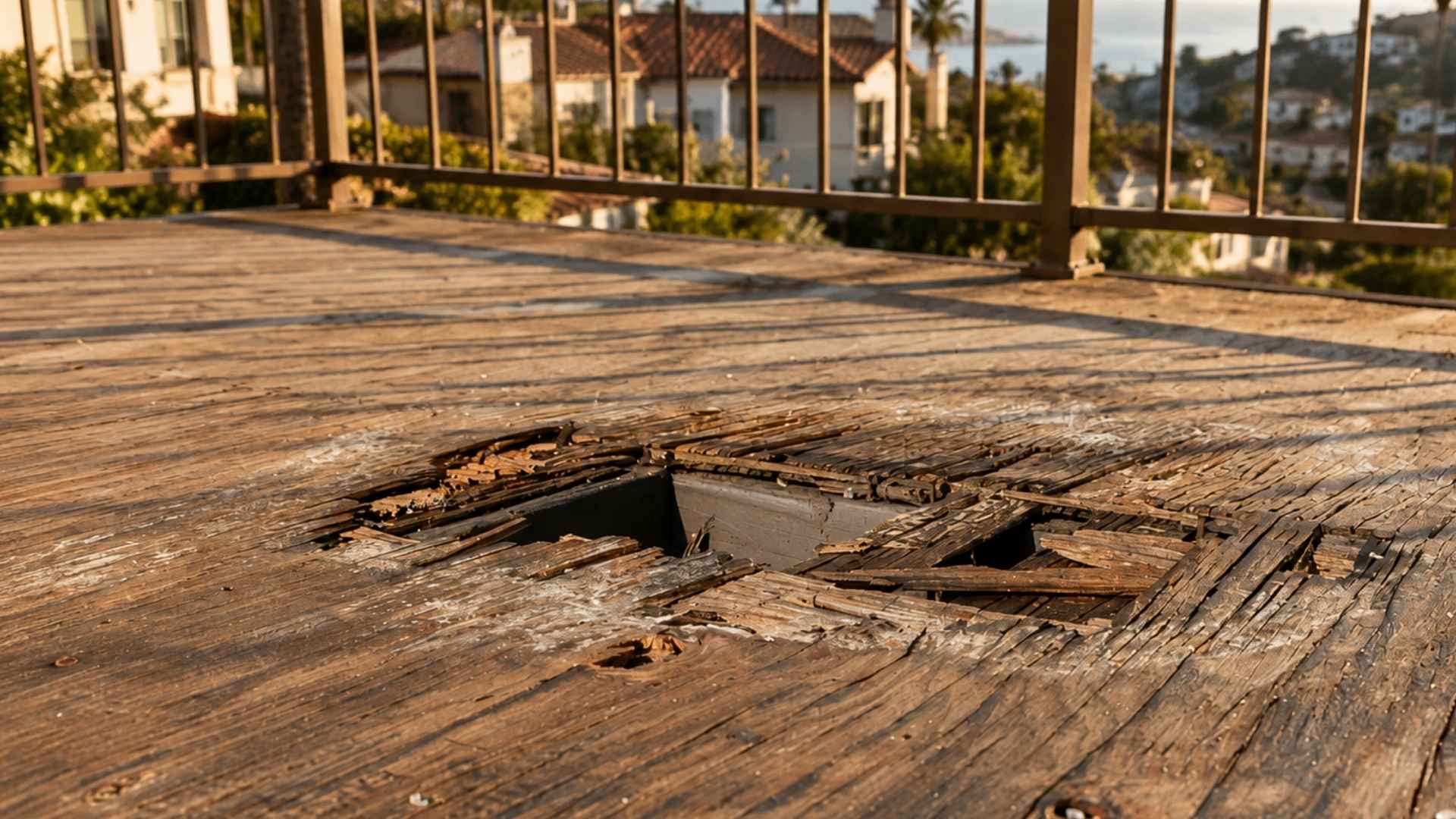
An exterior elevated element that is identified as an immediate threat to occupant safety requires a different response than ordinary deferred maintenance.
Depending on the inspector’s findings, immediate measures may include restricting access, installing shoring, or performing emergency repairs.
Owners should follow the recommendations of the qualified inspector and coordinate with appropriate design professionals, contractors, and local authorities where required.
Safety-related findings should not be treated as routine capital projects that can simply be postponed to the next budget cycle.
Non-Emergency Repairs Still Have Timelines
When corrective work is required but the condition is not considered an immediate safety threat, California law establishes timing for permit applications and completion of repairs.
Owners should use the inspection report to determine what work is required, whether engineering or architectural documents are needed, and whether a permit must be obtained.
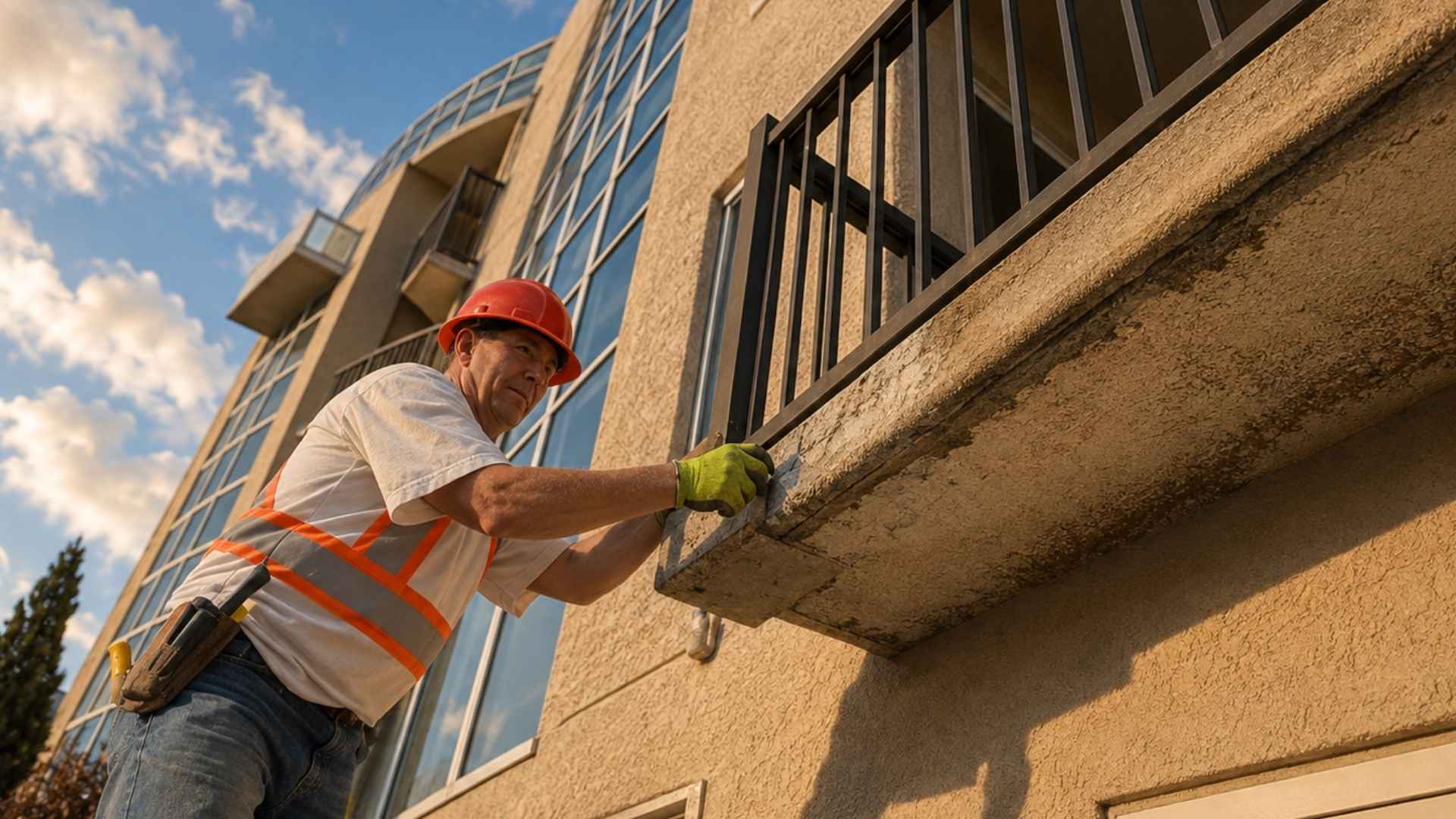
For Los Angeles properties, structural repair to an existing balcony generally requires a building permit.
That makes early scope development particularly important. Waiting until the end of a repair timeline to determine that engineered plans or plan review are needed can delay a project significantly.
Keep Inspection and Repair Records Together
A strong SB 721 file should contain more than the original inspection report.
Owners should retain available photographs, repair recommendations, plans, permits, contractor documentation, invoices, waterproofing information, inspection approvals, and final records.
Organized documentation helps demonstrate what conditions were identified and what was done in response.
It can also make future inspections easier because the next inspector has a clearer history of prior repairs and known conditions.
What About Newer Buildings?
Certain newer buildings are subject to a separate timing framework tied to the certificate of occupancy.
Owners of recently constructed properties should therefore avoid assuming that January 1, 2026 automatically controls their first inspection date.
The property’s permit and certificate-of-occupancy history should be reviewed to determine the applicable inspection timing.
Los Angeles Owners Should Consider Local Requirements Too
SB 721 establishes statewide requirements, but local jurisdictions may impose additional procedures or more stringent requirements.
In Los Angeles, repairs involving structural balcony components can trigger permitting and inspection requirements.
Property owners should evaluate both the statewide law and the requirements of the local building department with jurisdiction over the property.
From Compliance Document to Capital Planning Tool
One of the most useful ways to think about an SB 721 report is as a capital-planning document.
Even when a report does not identify an immediate hazard, it may reveal waterproofing deterioration, aging components, localized decay, or conditions that warrant monitoring.
Owners who organize those findings into near-term, mid-term, and long-term repair priorities can often manage the property more effectively than owners who wait for a condition to become urgent.
Need Help Moving From Inspection to Repair?
LA Construction Consultants works with apartment owners and property managers throughout Los Angeles to help turn inspection findings into practical repair projects.
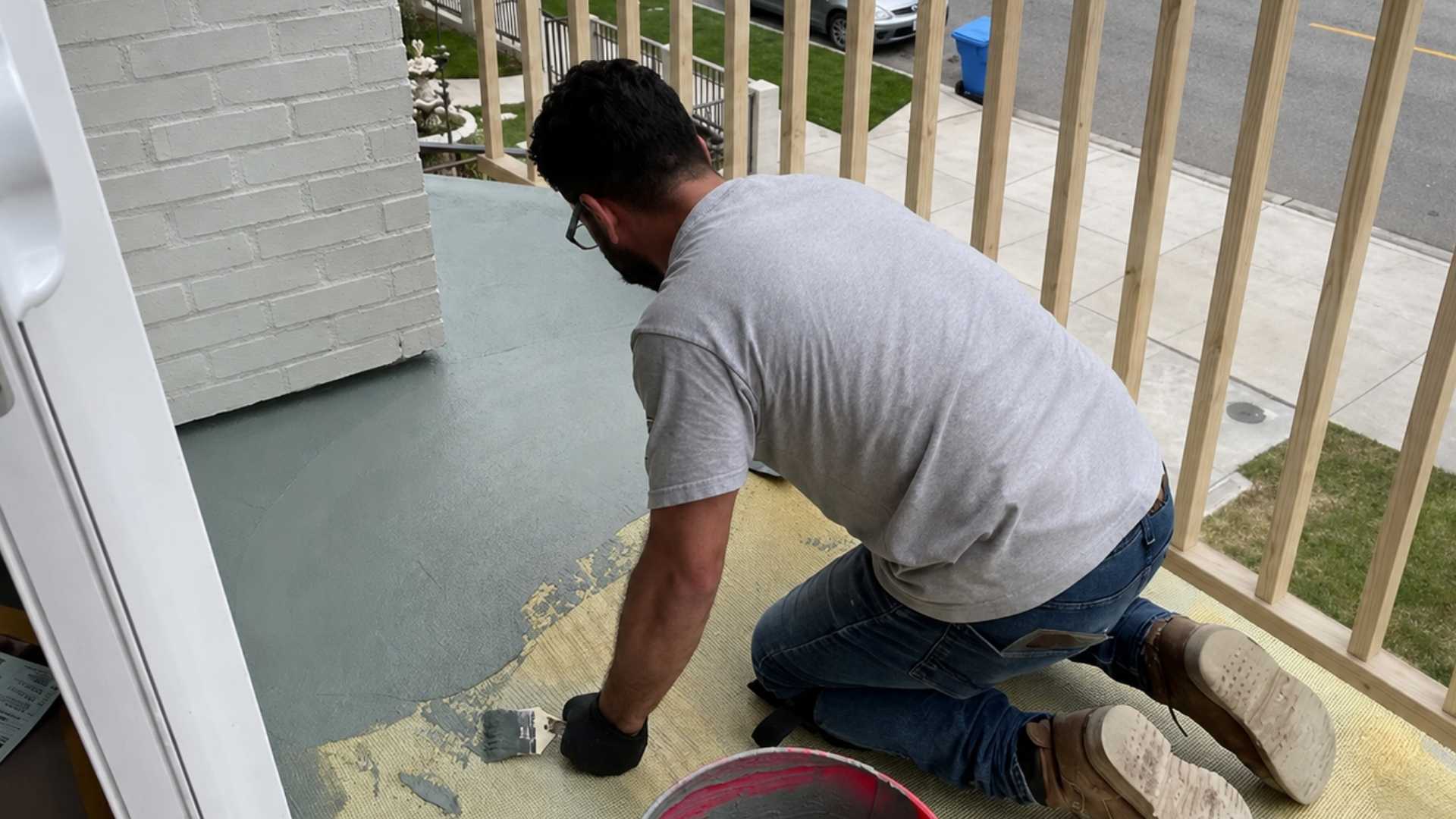
That may include scope review, budgeting, coordination with design professionals, permitting, structural repair, waterproofing, construction management, and project closeout.
The initial SB 721 deadline has passed, but the need to maintain qualifying exterior elevated elements continues.
A clear plan now can help owners address unresolved findings and prepare for the property’s ongoing inspection cycle.
This information is provided for general educational purposes and is not legal or engineering advice.