Inspector Qualifications Depend on the Law
One of the easiest mistakes for property owners to make is assuming SB 721 and SB 326 use the same inspector qualification rules.
They do not.
The first step is determining which statute applies to the property.
SB 721 Uses a Broader Inspector Framework
SB 721 generally applies to qualifying multifamily rental properties.
The statute allows inspections by specified categories of qualified professionals, which can include licensed architects, licensed civil or structural engineers, qualifying appropriately licensed contractors, and certain certified building inspectors or building officials.
Specific statutory requirements apply to each category.
SB 326 Uses a Narrower Professional Standard
SB 326 generally applies to qualifying condominium projects.
Under the current law, the inspection is performed by a licensed structural engineer, licensed civil engineer, or architect.
That distinction matters when an HOA is selecting a professional and reviewing proposals.
Independence Matters
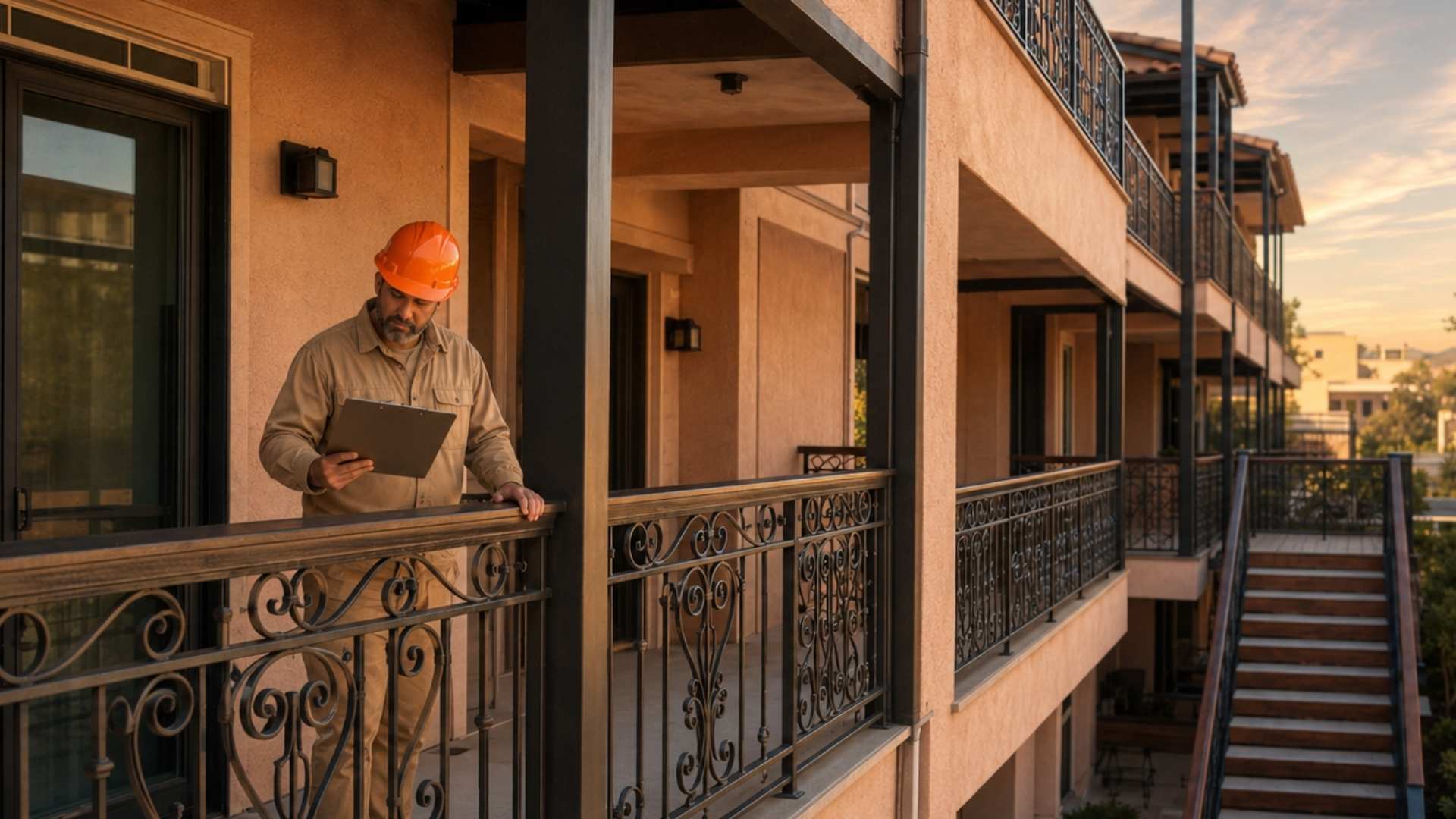
Owners and associations should also consider statutory independence requirements and potential conflicts involving inspectors and repair contractors.
The inspection should provide an objective evaluation rather than functioning as a sales estimate for repair work.
Inspection and Repair Are Separate Roles
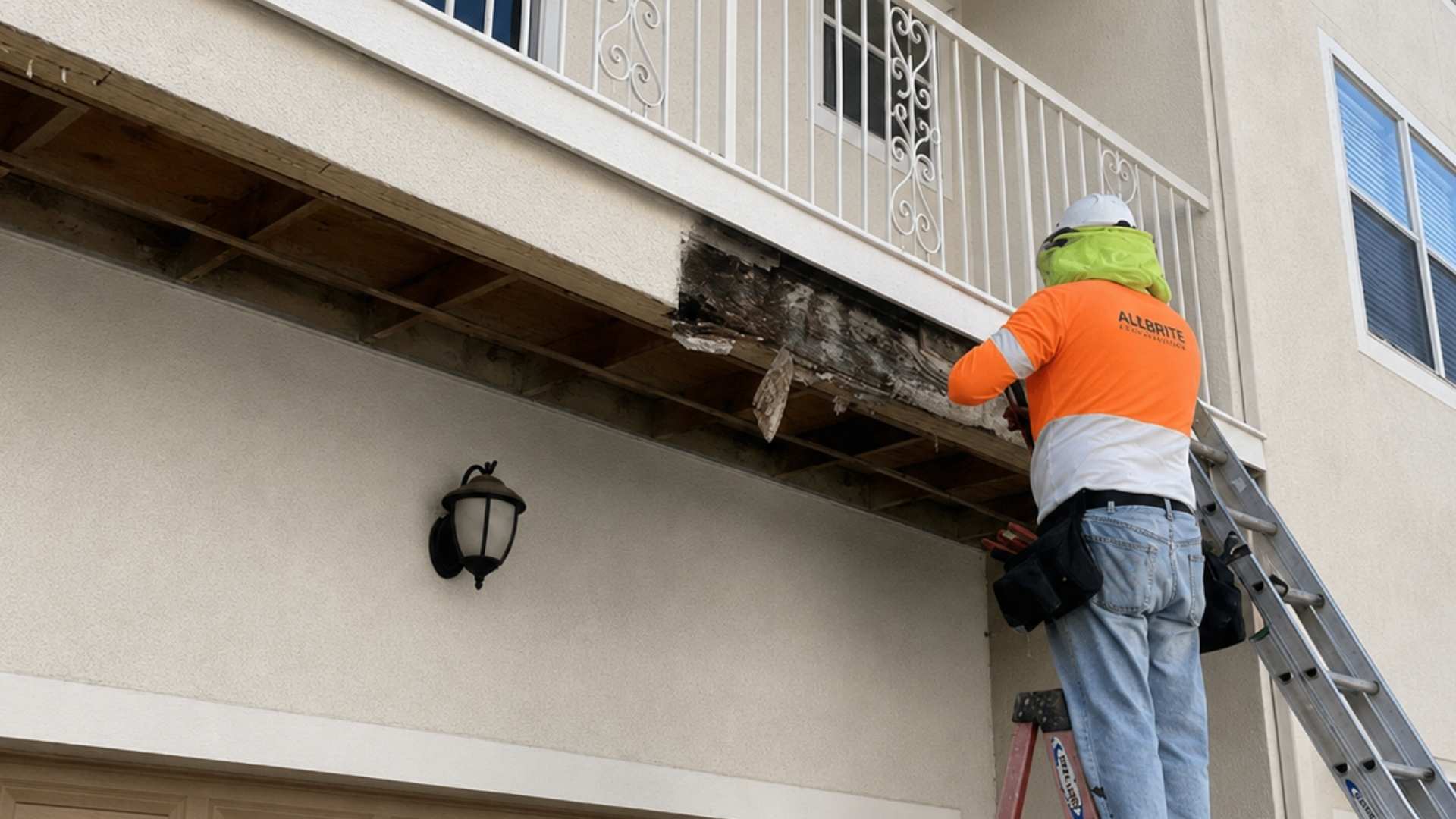
The professional performing the statutory inspection is not necessarily the contractor who performs the resulting construction.
In many projects, the workflow involves an inspector, an engineer or architect if repair drawings are required, and a licensed contractor responsible for construction.
Ask for Qualifications
Before retaining an inspector, owners should confirm:
Professional license or certification
Experience with exterior elevated elements
Understanding of the applicable statute
Insurance coverage
Scope of inspection
Sampling methodology
Report deliverables
Experience documenting immediate safety conditions
What Should the Report Provide?
The owner needs more than a pass-or-fail statement.
A useful report should identify inspected elements, observed conditions, photographs, recommendations, and safety findings.
The report then becomes the basis for construction planning if repairs are necessary.
Do Not Hire Based Only on Price
A low inspection fee may not be a good value if the resulting report is vague, incomplete, or difficult to translate into repairs.
Owners should compare scope and qualifications as well as cost.
After the Inspection
LA Construction Consultants works with Los Angeles property owners and HOAs after exterior elevated element inspections to help coordinate repair scope development, budgeting, permitting, construction, waterproofing, and closeout.
This information is general and does not substitute for legal or professional licensing advice.