The Inspection Deadline and Repair Timeline Are Different
One of the most common sources of confusion about SB 721 is the difference between the deadline to complete the initial inspection and the deadlines that can arise after an inspection identifies required repairs.
The initial statewide inspection deadline was January 1, 2026.
Repair timing depends on what the inspection finds.
Immediate Safety Conditions Require Immediate Measures
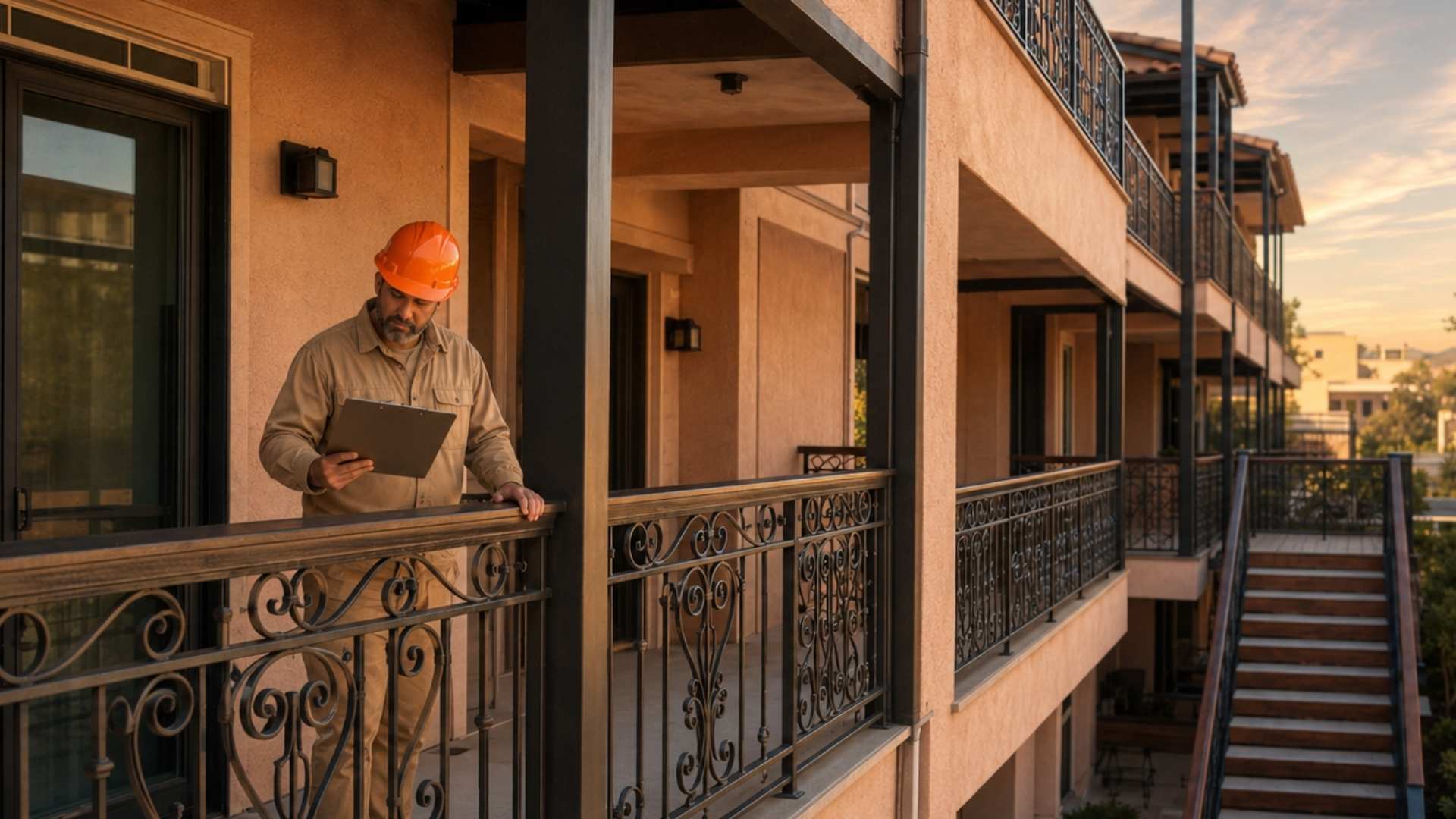
When an inspector determines that an exterior elevated element presents an immediate threat to occupant safety, the situation is not treated as an ordinary maintenance project.
Protective measures may include restricting access, emergency repair, shoring, or other steps recommended by the inspector.
The objective is to reduce risk while the permanent solution is developed.
Non-Emergency Repairs Follow a Different Process
When corrective work is required but the condition is not considered an immediate safety threat, the statute generally provides time for the owner to obtain a permit and complete the work.
The owner generally must apply for the required repair permit within 120 days after receiving the inspection report.
After permit approval, the corrective work generally must be completed within another 120 days unless an extension is granted by the local enforcement agency.
Owners should verify the timeline applicable to their specific report and jurisdiction.
Why 120 Days Can Move Quickly
Four months may sound like plenty of time until the project requires engineering, drawings, contractor bidding, access planning, plan review, product selection, or HOA approval.
That is why owners should begin scope development shortly after receiving the report.
Waiting until the permit-application deadline approaches can create unnecessary pressure.
Permit Approval Is Not the Same as Permit Application
The timing framework distinguishes between applying for a permit and completing repairs after approval.
Actual processing time depends on the jurisdiction and scope.
A project requiring structural plans or corrections during plan review may take longer than a straightforward permit.
Property owners should build that uncertainty into their planning.
Can an Extension Be Granted?
The statute allows local enforcement agencies to grant extensions in specified circumstances.
An extension should not be assumed.
Owners seeking additional time should communicate with the relevant jurisdiction and maintain documentation showing that the repair process is moving forward.
What Happens if Repairs Remain Unresolved?
SB 721 includes enforcement provisions when required corrective work is not completed.
Potential consequences depend on the circumstances and local enforcement procedures.
The better approach is to document progress, resolve permitting issues early, and avoid allowing repair findings to sit unattended.
A Better Project Sequence
The most efficient order is generally:
Review the report.
Identify immediate safety items.
Determine design requirements.
Establish a repair scope.
Confirm permitting requirements.
Prepare plans when necessary.
Obtain contractor pricing.
Apply for permits.
Coordinate resident access.
Perform repairs.
Complete inspections and closeout.
Maintain the records.
Los Angeles Balcony Repair Permits
Los Angeles guidance states that structural repair to an existing balcony requires a permit.
Surface-level work does not always trigger the same requirement, but structural repair should be evaluated with LADBS or the applicable jurisdiction.
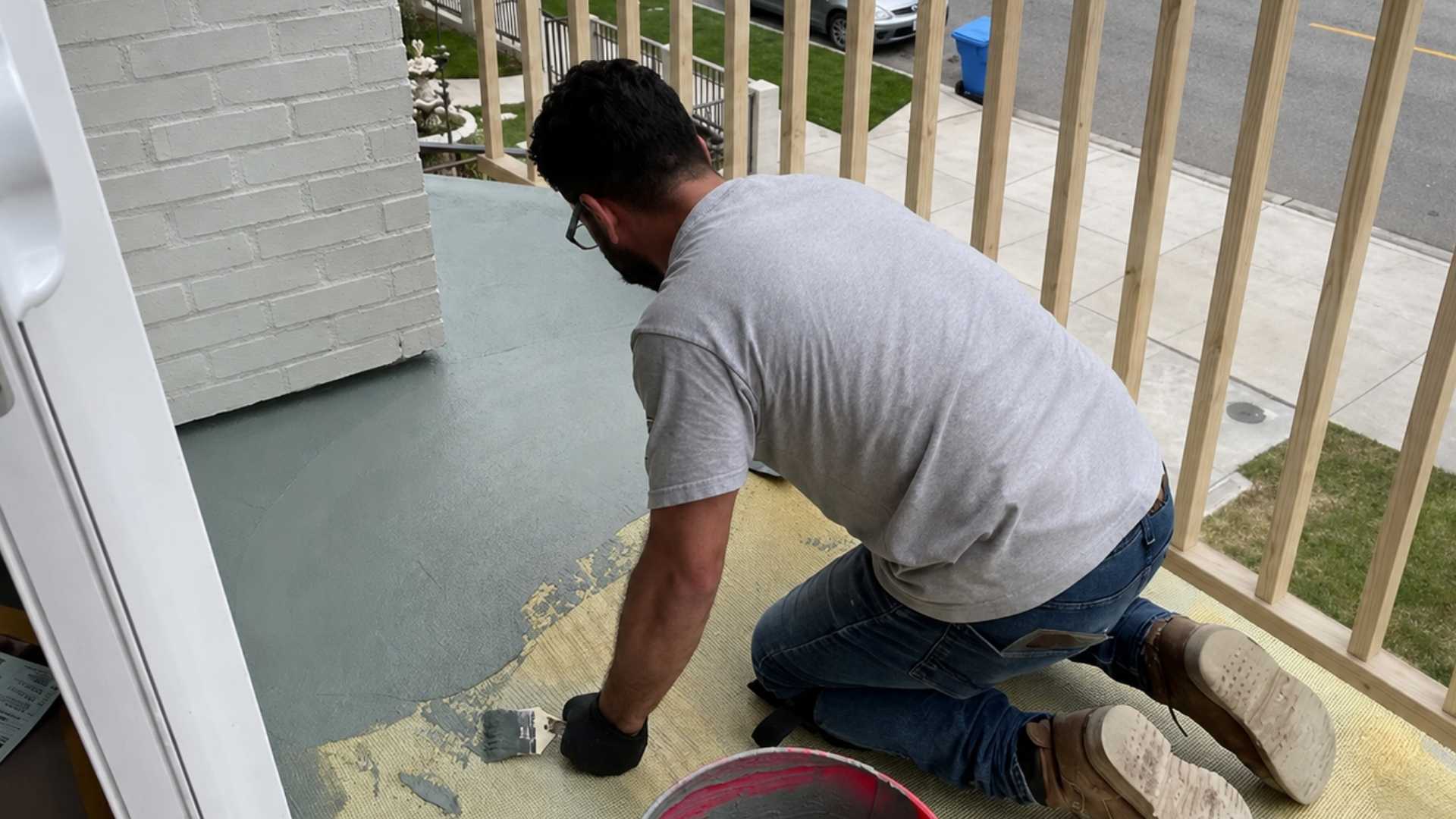
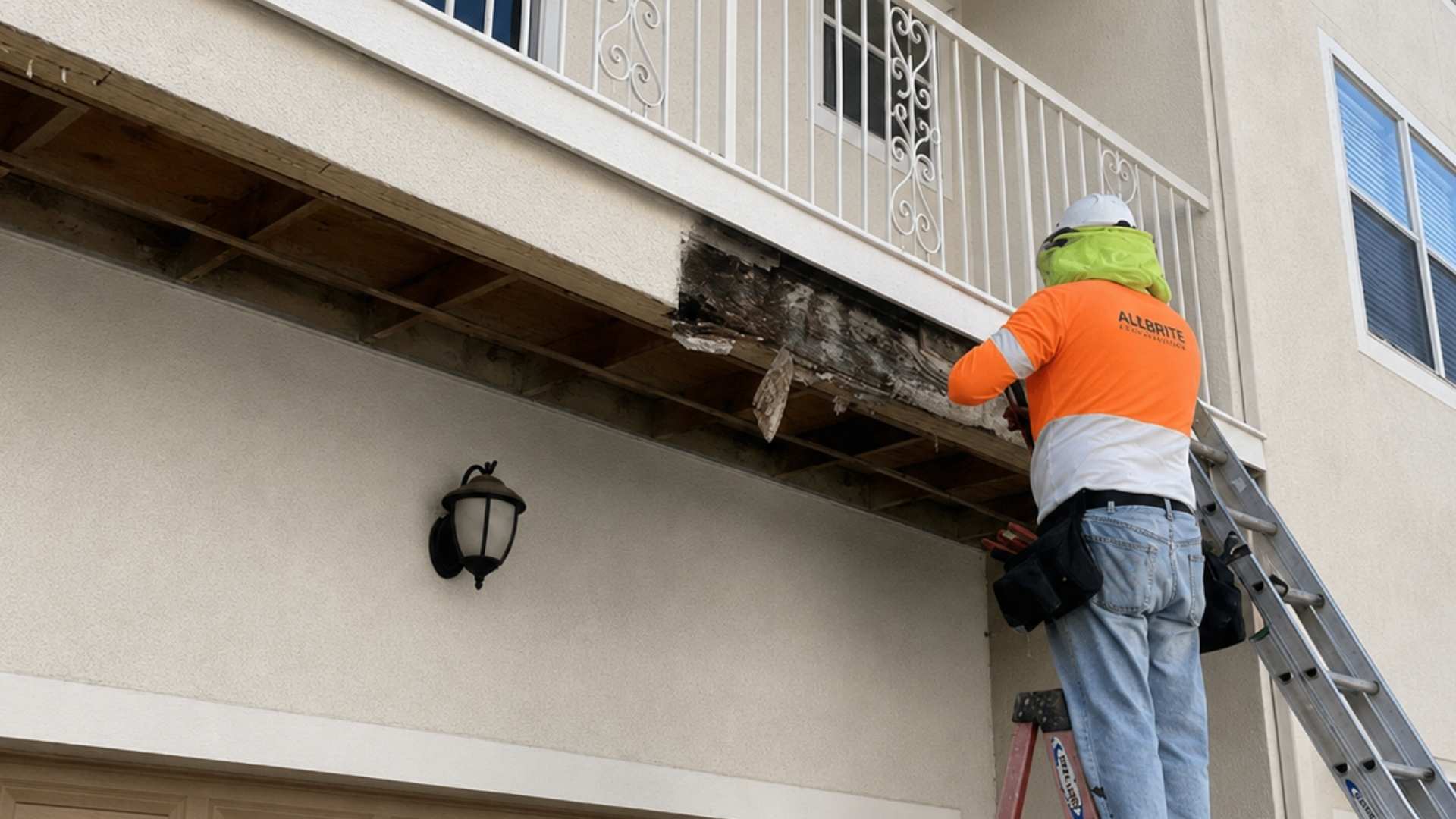
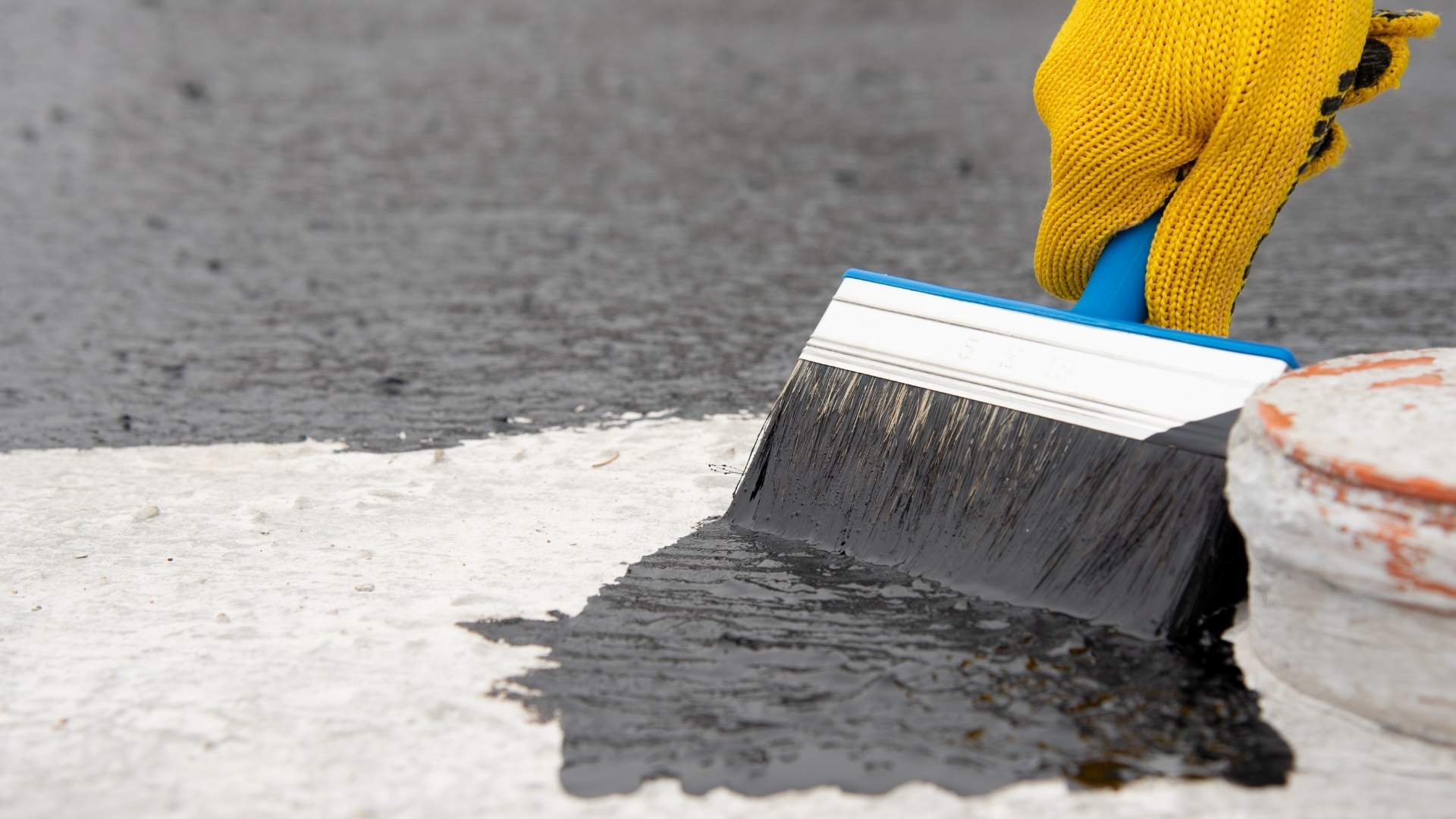
That distinction is important because an SB 721 finding involving framing damage is different from routine coating maintenance.
Stay Focused on the Repair Path
The most productive response to an SB 721 repair deadline is not panic. It is organization.
Owners who understand the findings, assemble the right professionals, define the scope, and start permitting early are in a much better position to move the project toward completion.
LA Construction Consultants helps Los Angeles property owners coordinate repair planning, budgeting, permitting, construction, waterproofing, and closeout following balcony and exterior elevated element inspections.
This information is general and is not legal or engineering advice.