Two Laws, Two Different Property Types
SB 721 and SB 326 are often discussed together because both address exterior elevated elements.
They are not interchangeable.
SB 721 generally applies to qualifying multifamily rental properties.
SB 326 generally applies to qualifying condominium projects and common-interest developments where the association has maintenance or repair responsibility for the covered elements.
The Initial Deadlines Were Different
SB 721’s initial statewide inspection deadline was January 1, 2026.
SB 326’s initial statewide inspection deadline was January 1, 2025.
Confusing those dates is one of the most common errors in older California balcony content.
The Inspection Cycles Are Different
SB 721 generally follows a six-year inspection cycle after the initial inspection.
SB 326 generally follows a nine-year inspection cycle.
Newer buildings can be subject to separate timing provisions.
The Qualified Inspector Rules Are Different
The two laws also differ in who may perform the statutory inspection.
SB 721 permits several categories of qualified inspectors specified by statute.
SB 326 uses a narrower professional framework involving licensed structural engineers, licensed civil engineers, or architects.
Owners should verify that the professional performing the inspection meets the requirements of the applicable statute.
The Sampling Rules Differ
SB 721 generally requires inspection of at least 15 percent of each type of qualifying exterior elevated element.
SB 326 uses a statistically significant random sample intended to provide a specified level of confidence regarding the condition of the inspected elements.
This is another reason not to treat the two programs as identical.
What Both Laws Have in Common
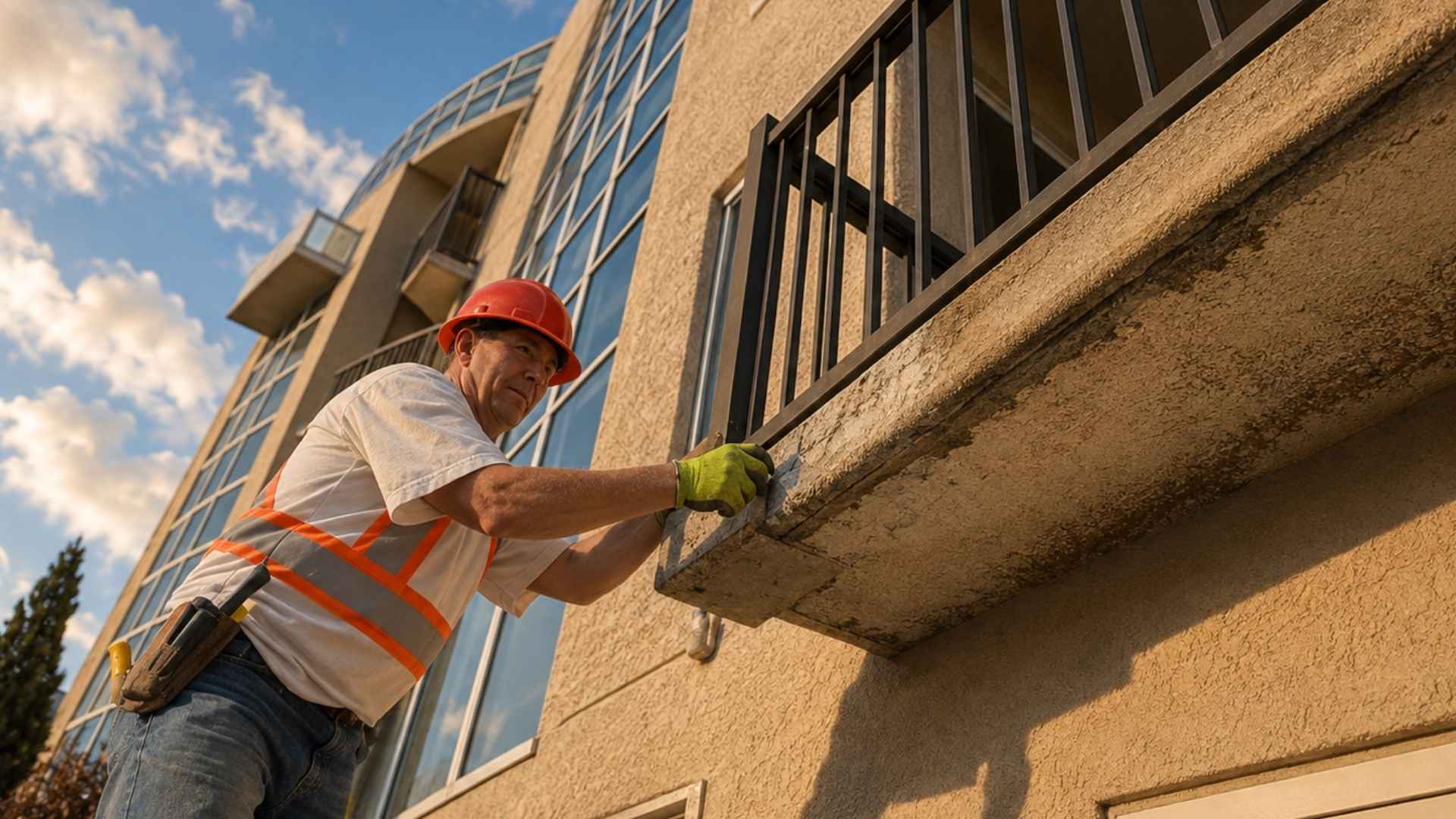
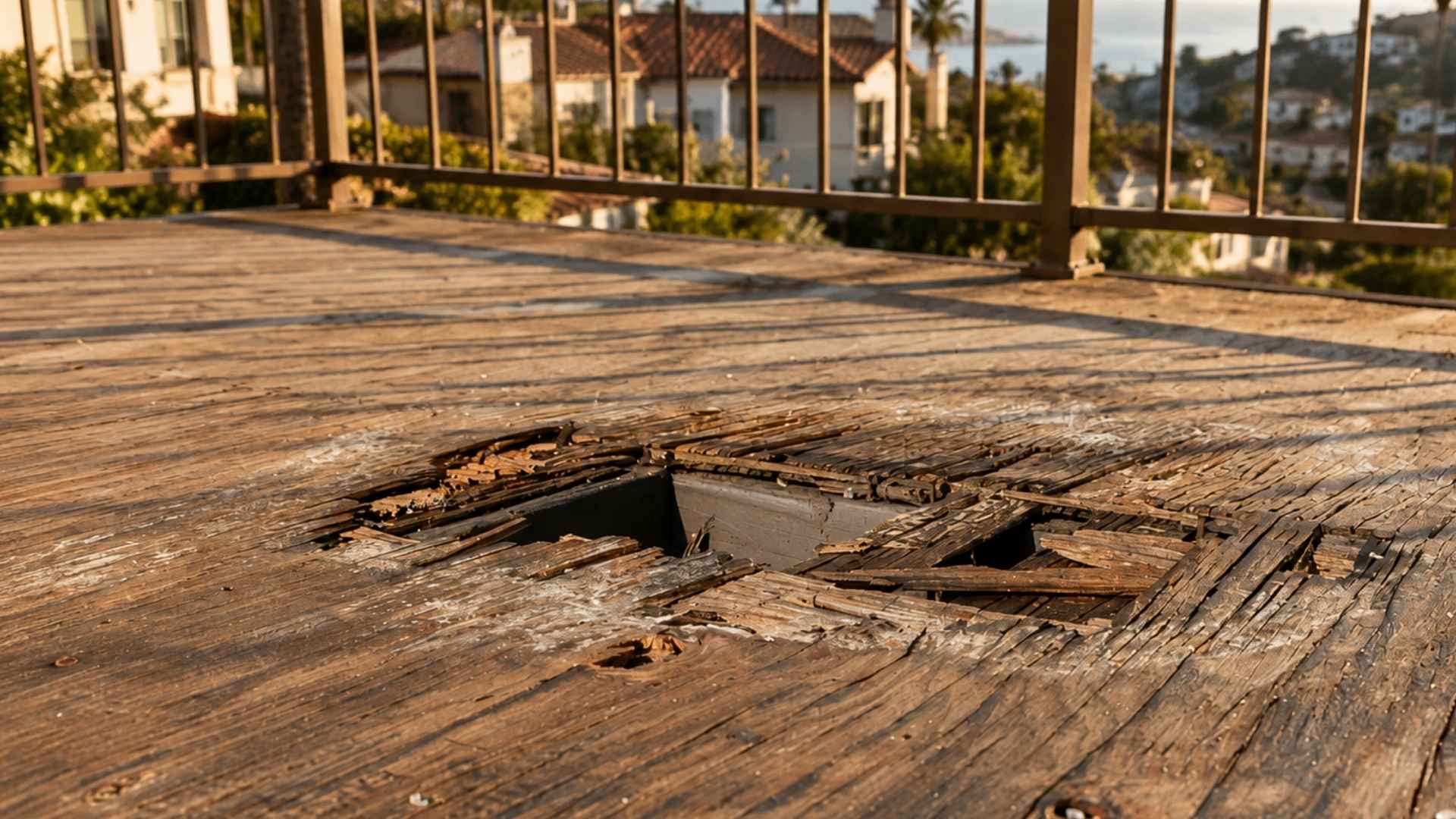
Both laws are concerned with exterior elevated elements and the risk associated with deterioration of structural and waterproofing components.
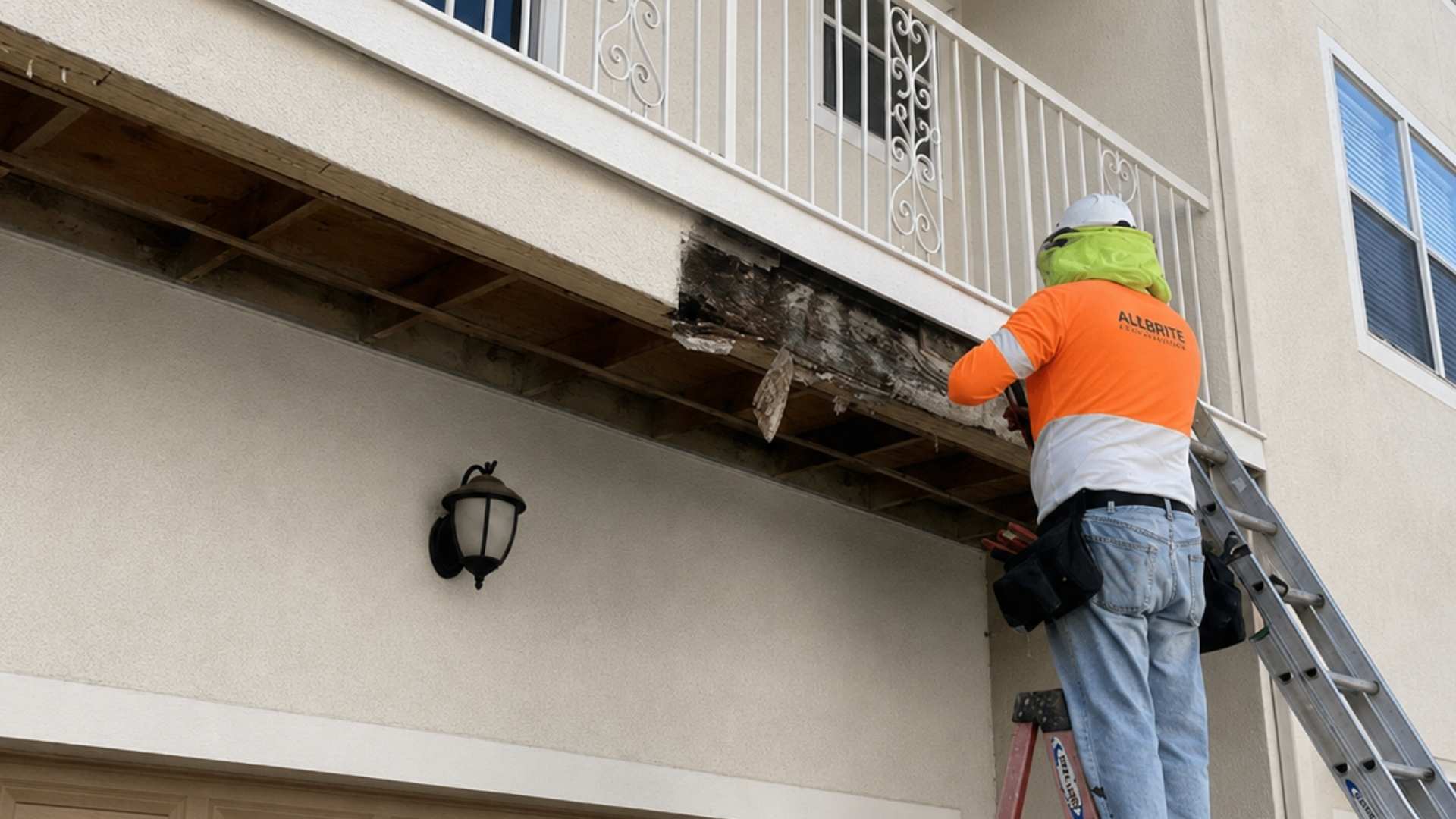
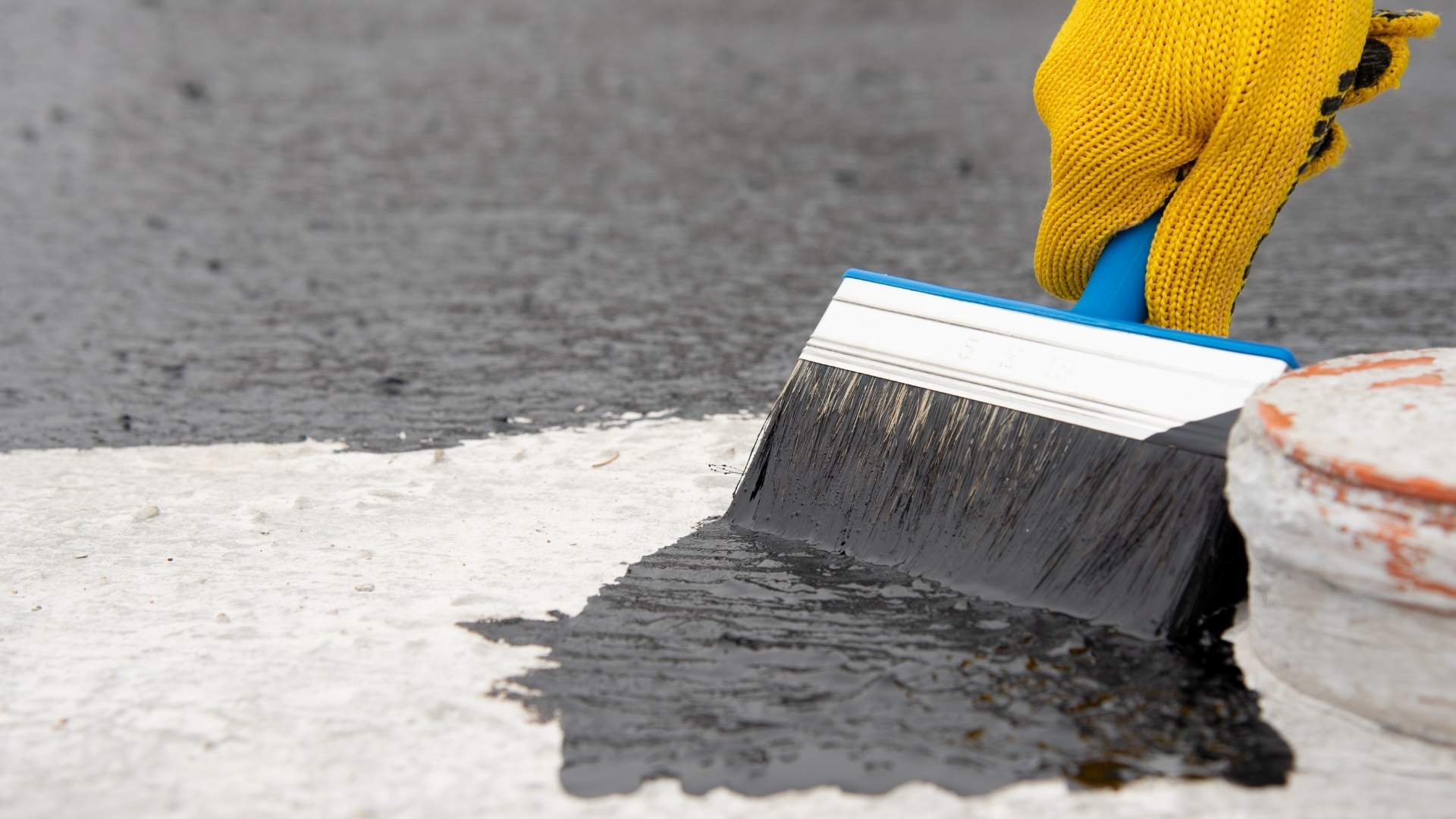
Both can lead to repair projects involving framing, coatings, waterproofing, flashing, guard systems, and related building components.
Both also require owners or associations to maintain documentation and address unsafe conditions.
Which Law Applies to a Mixed or Unusual Property?
Ownership structure matters.
A property that looks like an apartment building may legally be organized differently.
Similarly, responsibility for exterior elements within a common-interest development may depend on governing documents and the statutory framework.
Owners should confirm the property’s legal and maintenance structure rather than relying only on appearance.
What Happens After the Inspection?
Regardless of whether the property falls under SB 721 or SB 326, the repair process commonly involves:
Reviewing findings
Identifying safety priorities
Developing a repair scope
Coordinating architects or engineers where necessary
Confirming permits
Budgeting
Construction
Waterproofing
Documentation and closeout
Why This Distinction Matters for Los Angeles Owners
Using the wrong statute can lead to the wrong assumptions about deadlines, inspector qualifications, inspection frequency, and reporting obligations.
LA Construction Consultants works with apartment owners, HOAs, property managers, and multifamily stakeholders throughout Los Angeles on repair planning and construction after exterior elevated element inspections.
This information is general and should not be treated as legal or engineering advice.