January 1, 2025 Was the Initial Deadline
The initial statewide SB 326 inspection deadline has already passed.
For covered condominium associations, the priority is now maintaining the inspection record, addressing identified conditions, and preparing for ongoing compliance.
The law generally requires recurring inspections every nine years.
Confirm That the Required Inspection Was Completed
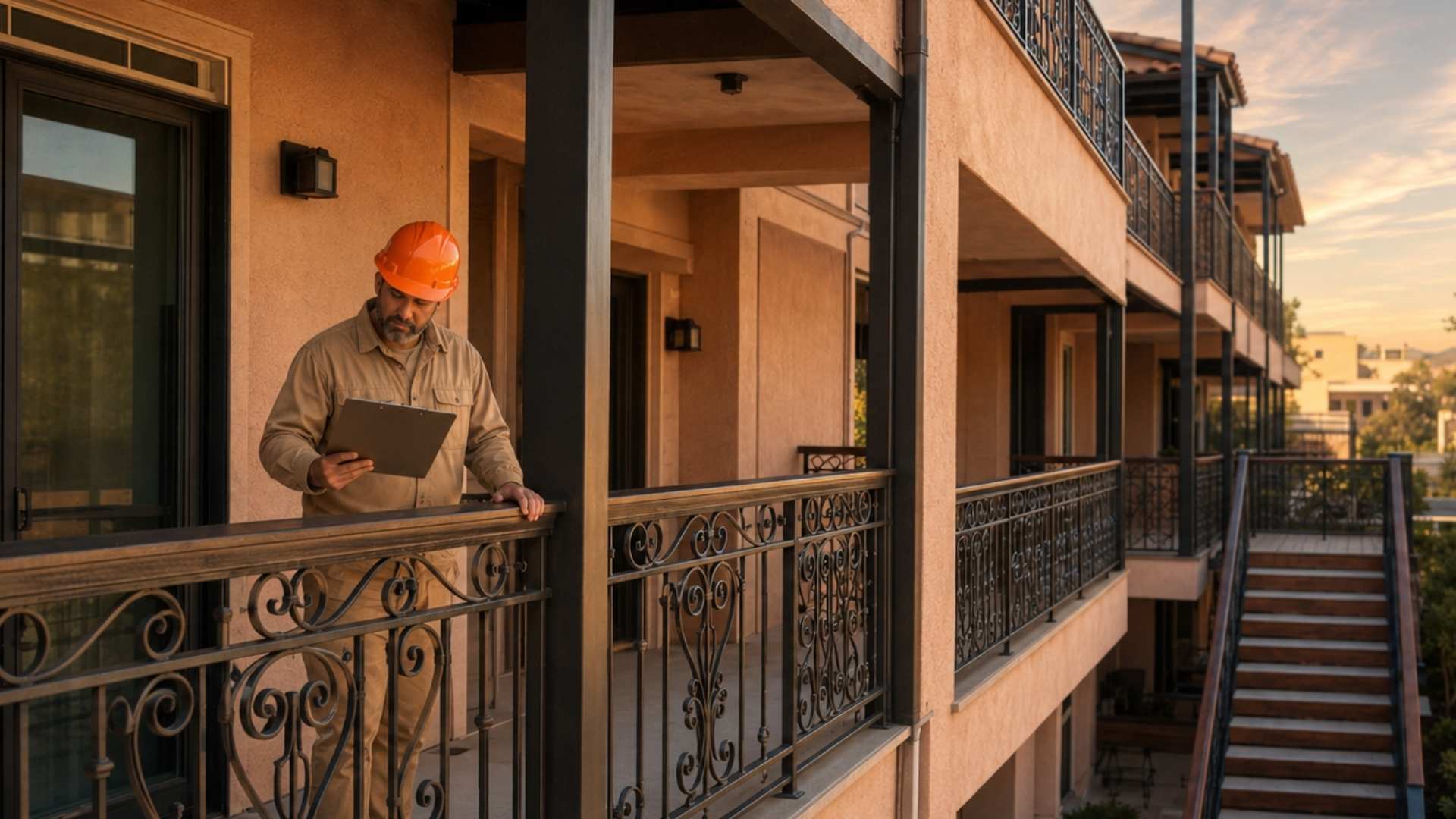
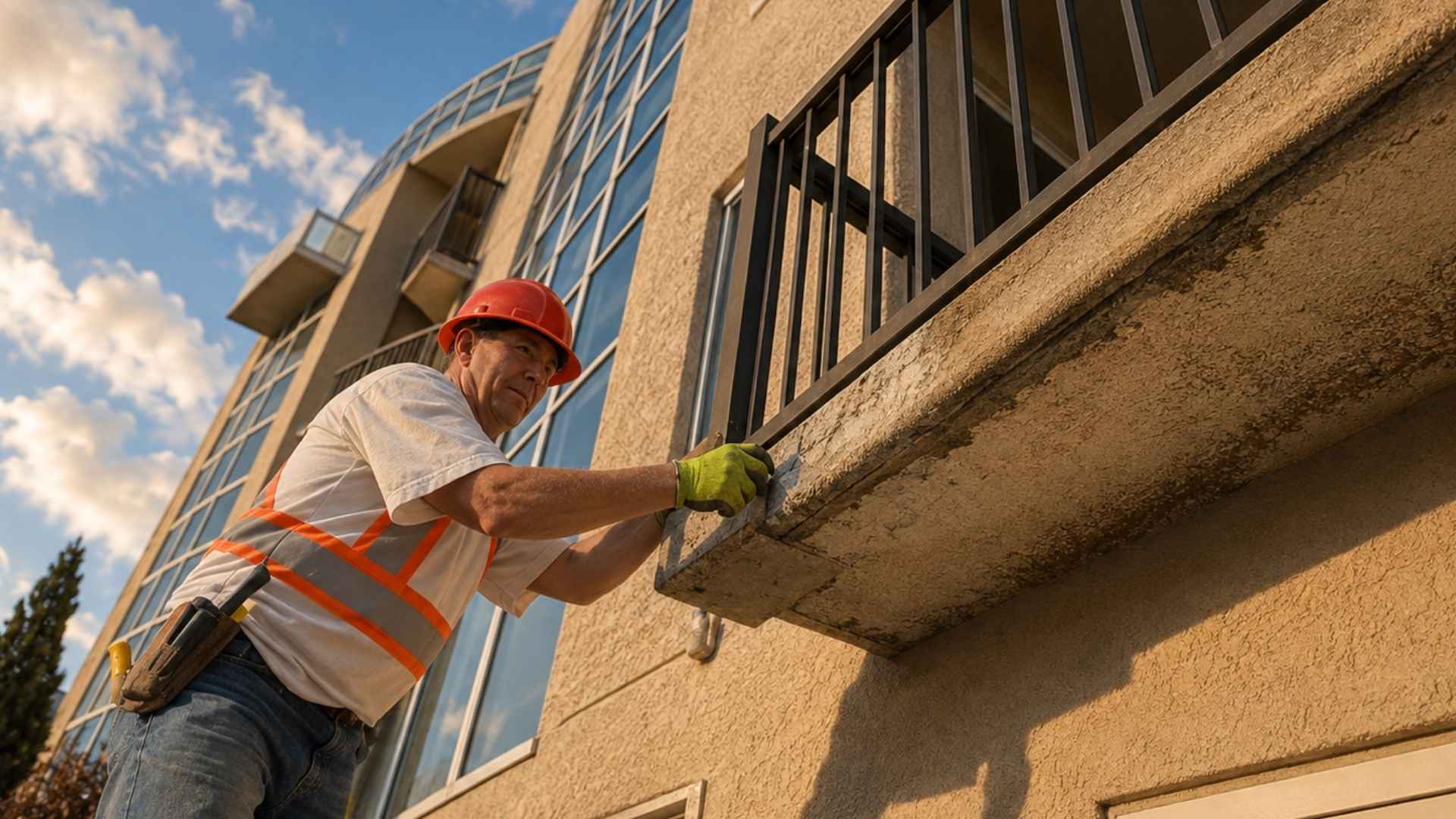
Boards should verify that the association has the completed report and that the inspector met the statutory qualification requirements.
Under the current framework, the inspection may be conducted by a licensed structural engineer, licensed civil engineer, or architect.
Review the Findings as a Board
The report should not simply be filed away.
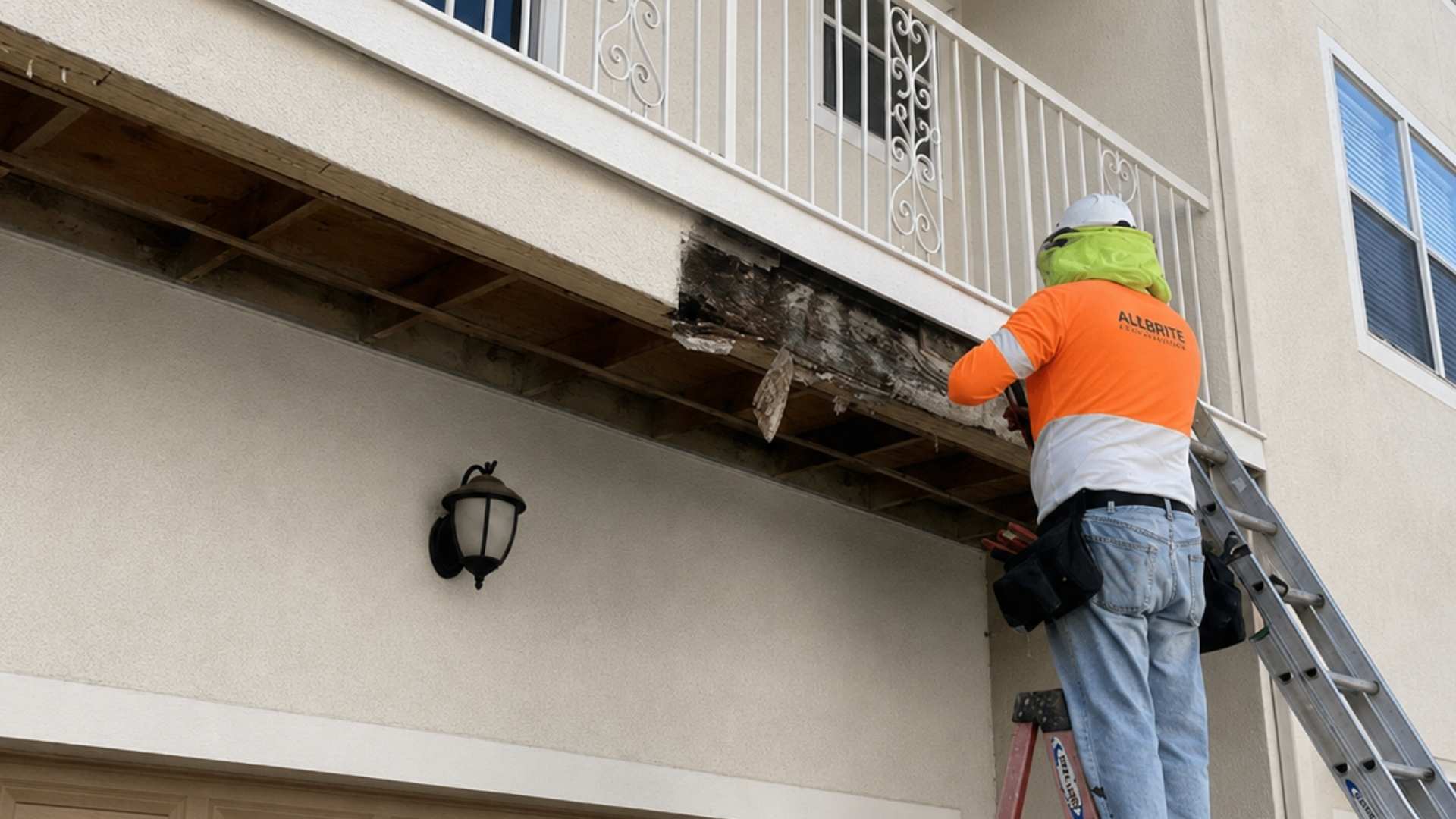
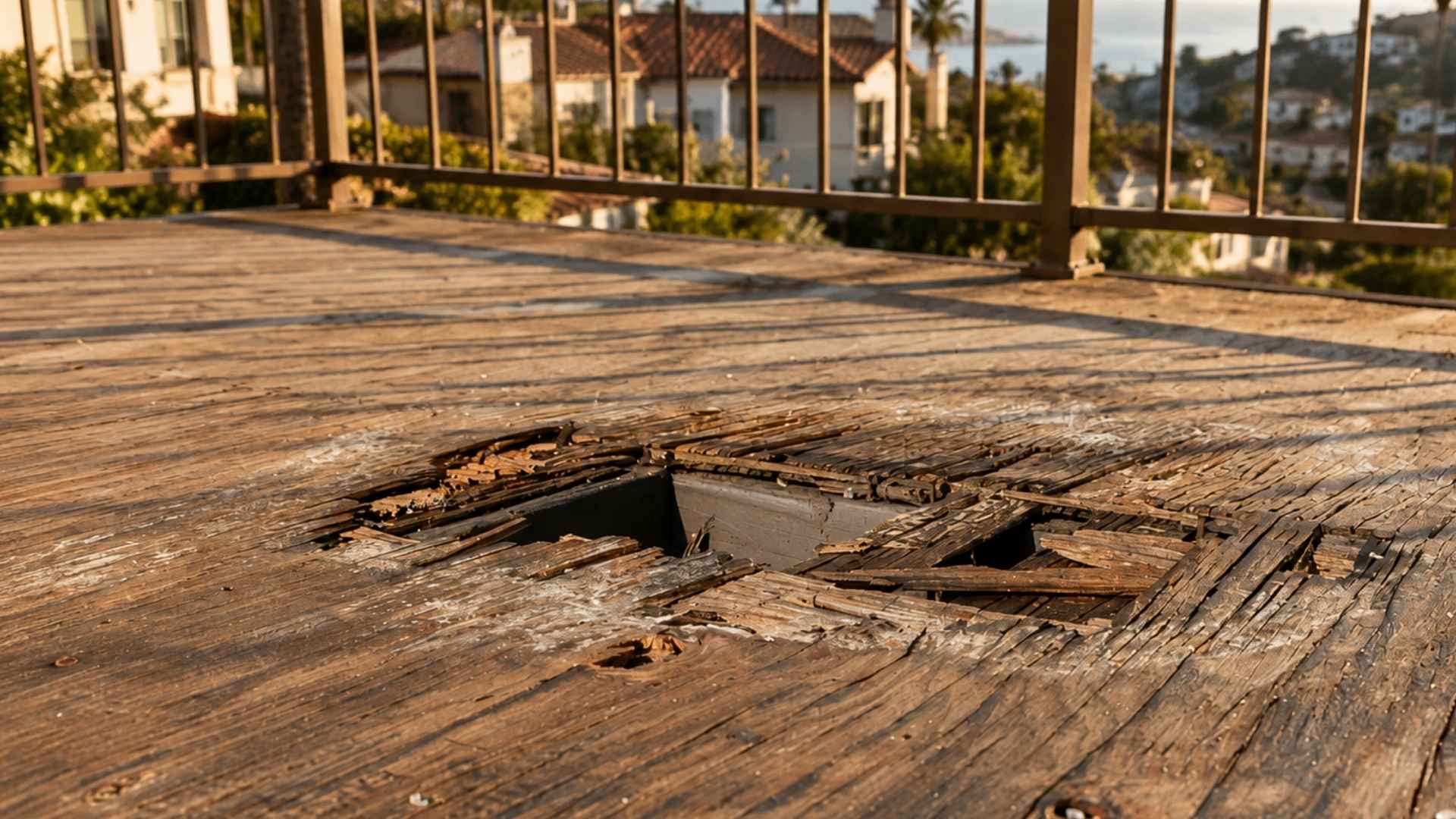
Board members and management should identify immediate safety findings, repair recommendations, waterproofing issues, expected remaining service life, and any additional investigation recommended by the inspector.
Establish Repair Priorities
Not every issue requires the same response.
Immediate safety concerns should be addressed promptly.
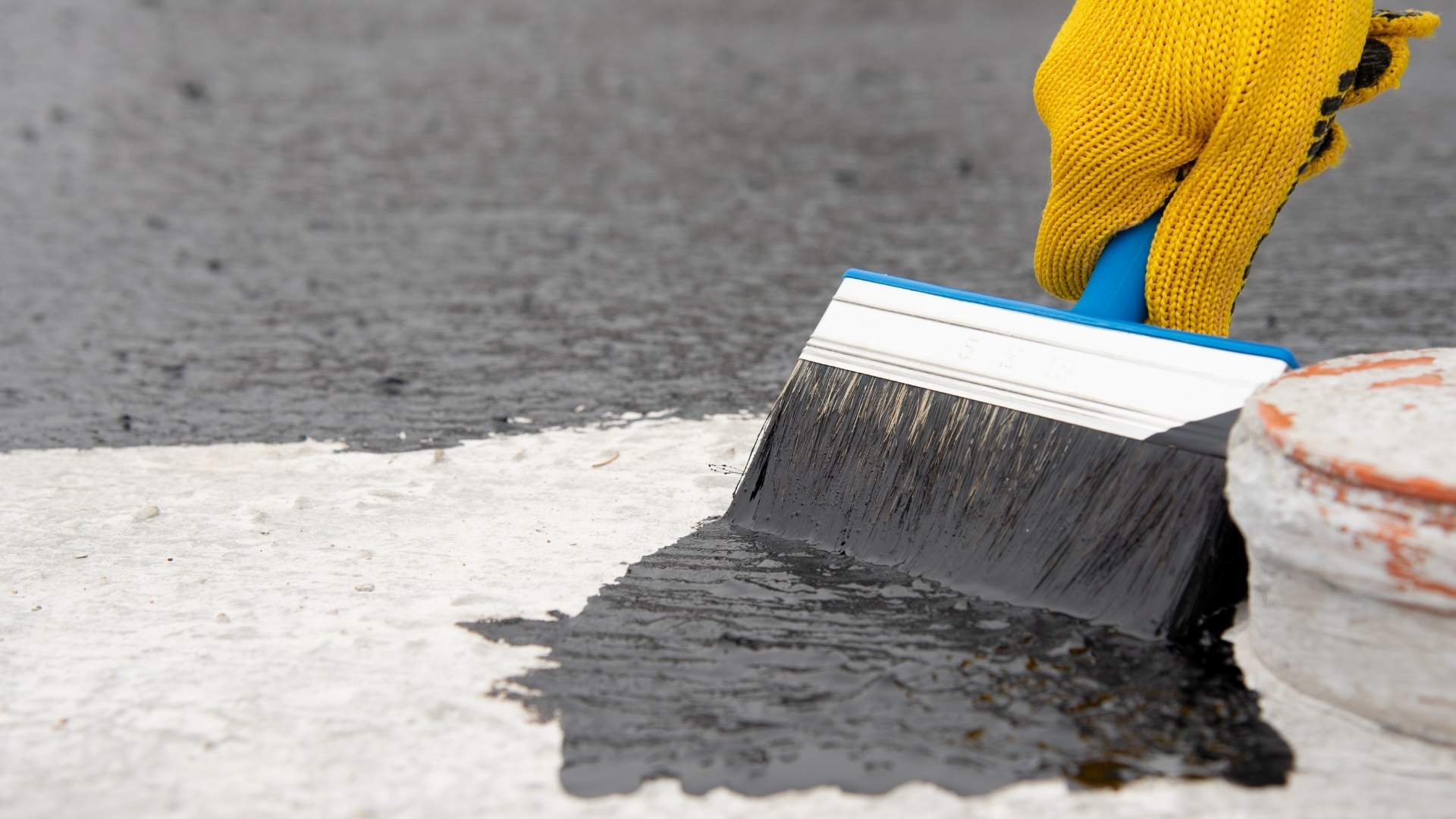
Other findings may be organized into near-term corrective work, preventive maintenance, waterproofing improvements, and longer-term capital planning.
Connect the Report to the Budget
Exterior elevated element repairs can affect reserves and capital planning.
The association should understand the likely project scope before assuming the existing reserve allocation is sufficient.
Engineering, permitting, access, waterproofing, demolition, framing repair, finishes, and contingency can all affect cost.
Maintain the Report and Supporting Records
Inspection reports should be maintained with association records in accordance with applicable requirements.
Boards should also preserve repair documents so future directors, managers, inspectors, and owners can understand what was completed.
Pay Attention to Disclosure Obligations
Current California requirements make balcony inspection documentation increasingly relevant to association records and real-estate transactions.
Boards should coordinate with their legal and management professionals to ensure required reports are retained and disclosed appropriately.
Plan for the Nine-Year Cycle
Nine years can seem distant.
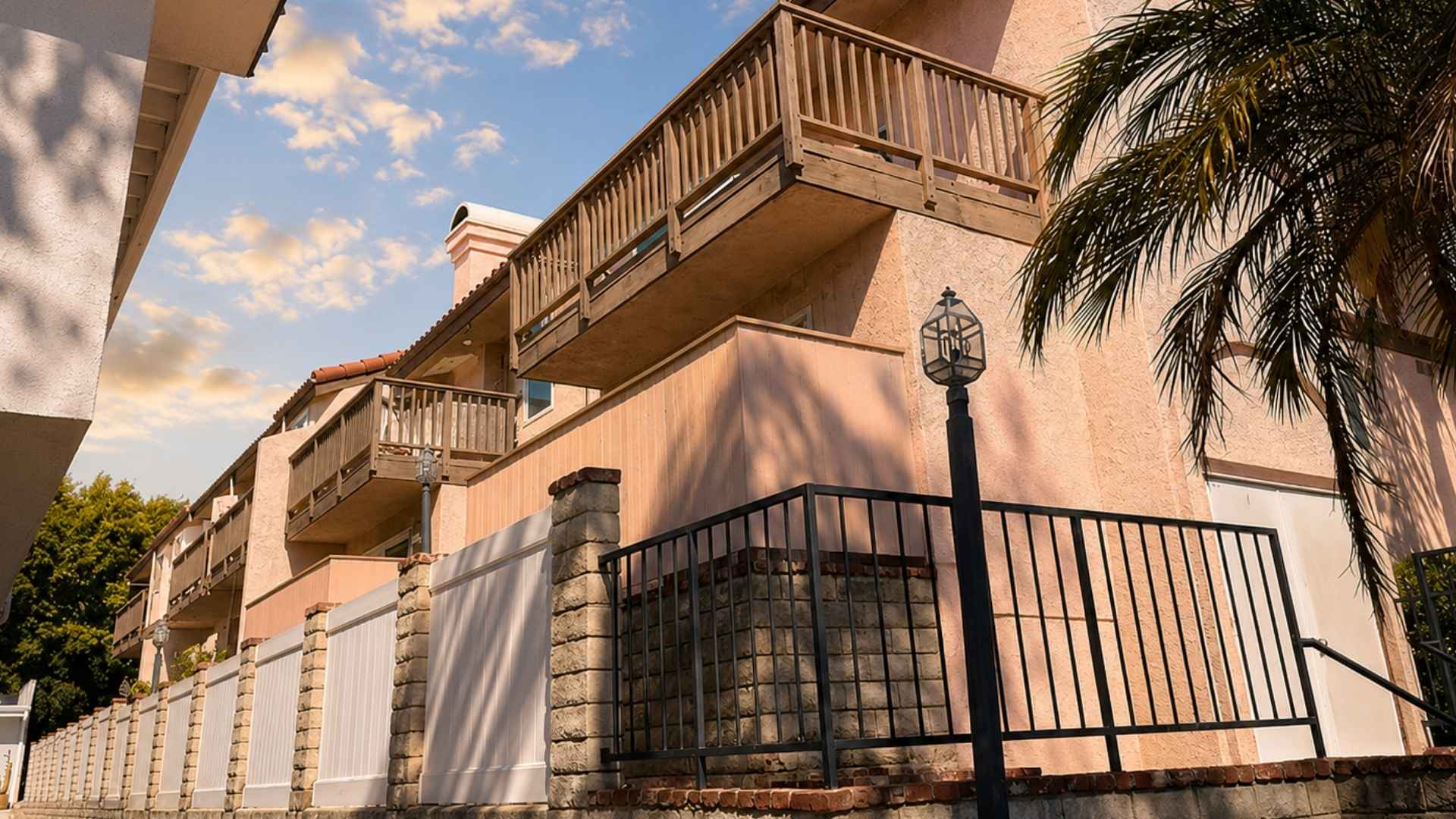
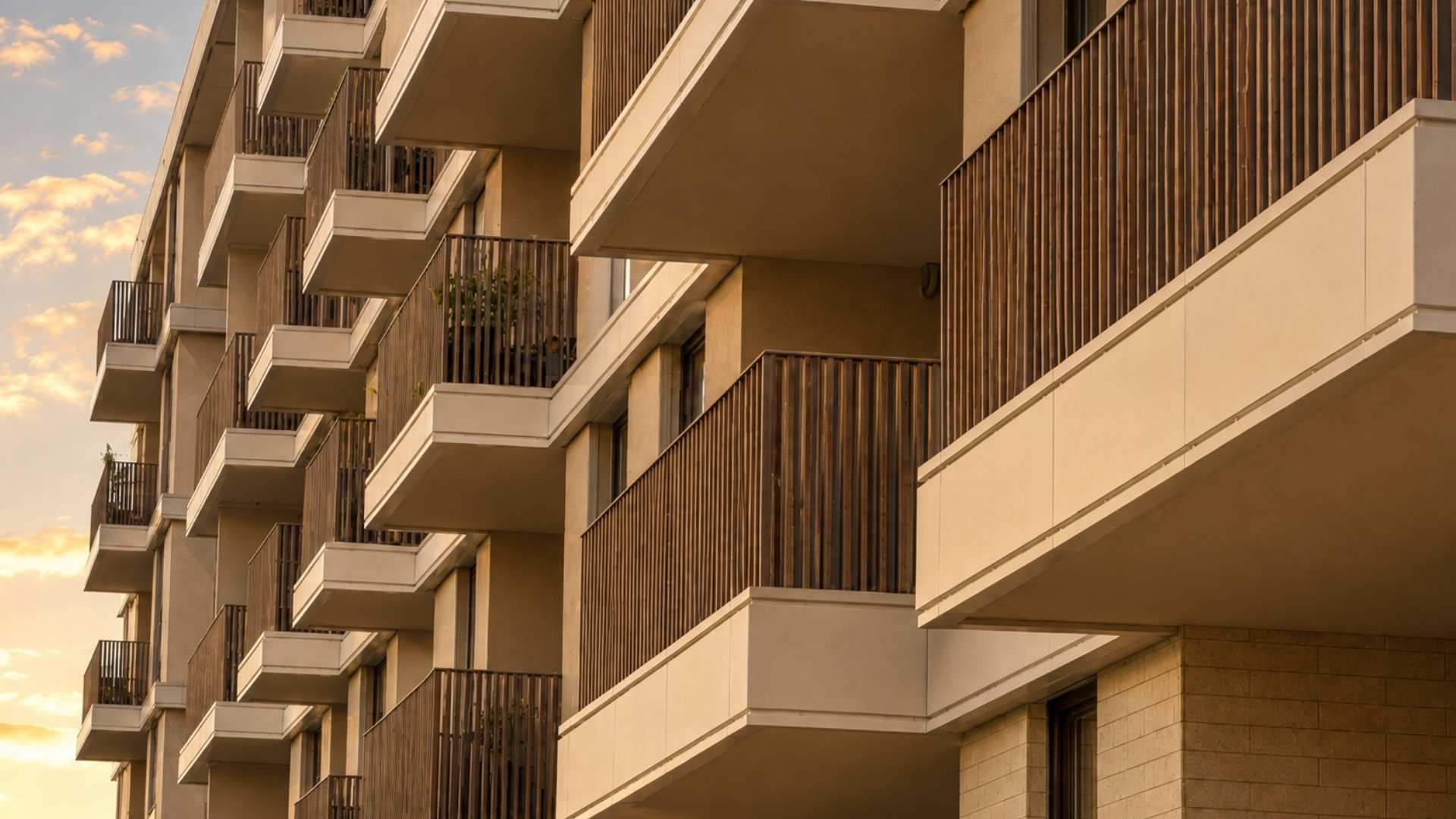
However, exterior elevated elements are exposed continuously to rain, sun, temperature changes, occupant use, and building movement.
Routine maintenance between statutory inspections can help associations identify developing waterproofing or deterioration issues before they become major repair projects.
From Inspection to Repair
LA Construction Consultants helps Los Angeles-area condominium associations and property managers move from inspection findings to construction planning.
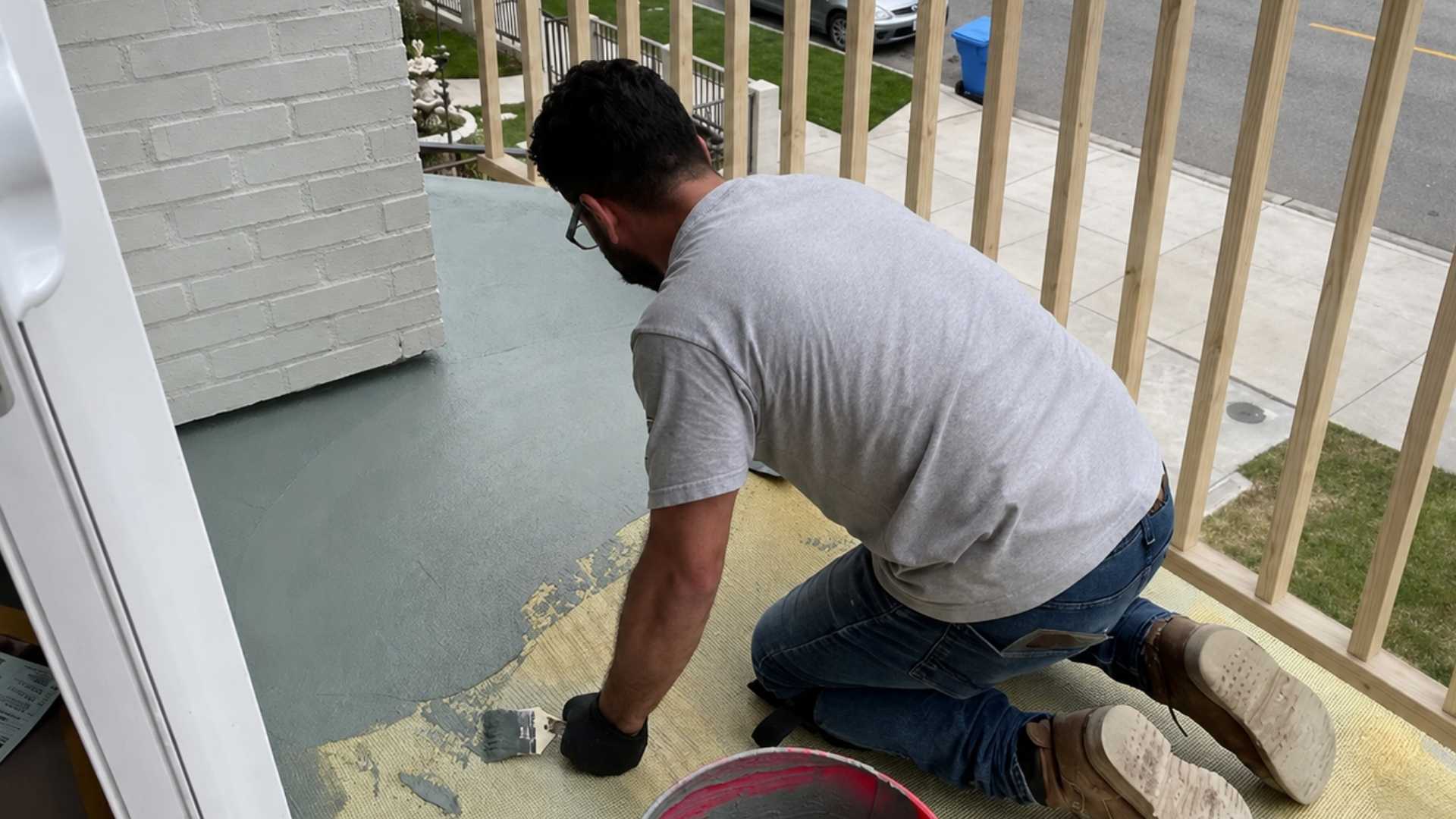
Services may include budgeting, repair scope coordination, permitting, structural repair, waterproofing, resident coordination, and project closeout.
This information is general and is not legal or engineering advice.