The initial statewide SB 721 inspection deadline has passed. For California apartment owners who did not complete the required inspection by January 1, 2026, the question is no longer how to prepare for the deadline. The question is what to do next.
SB 721 remains an ongoing inspection and building-safety requirement. Missing the initial deadline does not make the inspection requirement disappear, and delaying further can make an already overdue compliance issue more difficult to manage.
For Los Angeles apartment owners and multifamily property managers, the most practical approach is to determine whether the property is subject to SB 721, establish what has or has not been completed, arrange any outstanding inspection, and develop a plan for repairs and documentation if deficiencies are identified.
First, Understand What the January 1, 2026 Deadline Actually Means
California Health and Safety Code Section 17973 established January 1, 2026 as the deadline for the initial inspection of qualifying exterior elevated elements in covered multifamily buildings.
That date was the initial statewide deadline. It should no longer be described as an upcoming or “current” deadline.
For properties subject to the standard inspection schedule, inspections generally continue every six years after the initial inspection cycle.
There are separate timing provisions for certain newer buildings. For qualifying buildings where the building permit application was submitted on or after January 1, 2019, the required inspection generally must occur no later than six years after the local jurisdiction issues the certificate of occupancy.
Because building history and local requirements can affect timing, owners should confirm the requirements that apply to their specific property rather than relying solely on a general deadline found online.
Does SB 721 Apply to Your Apartment Building?
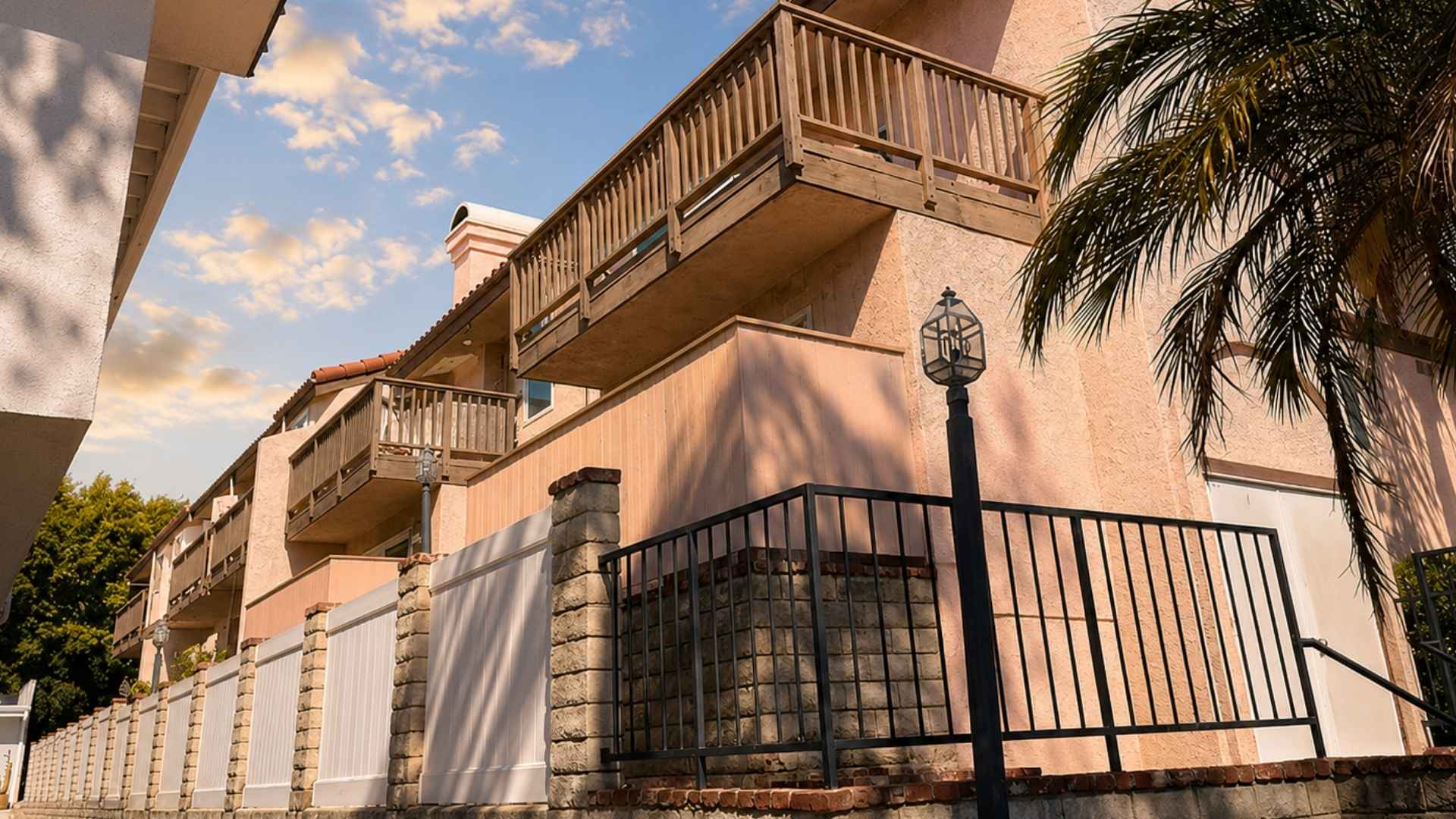
SB 721 generally applies to buildings containing three or more multifamily dwelling units when they have qualifying exterior elevated elements.
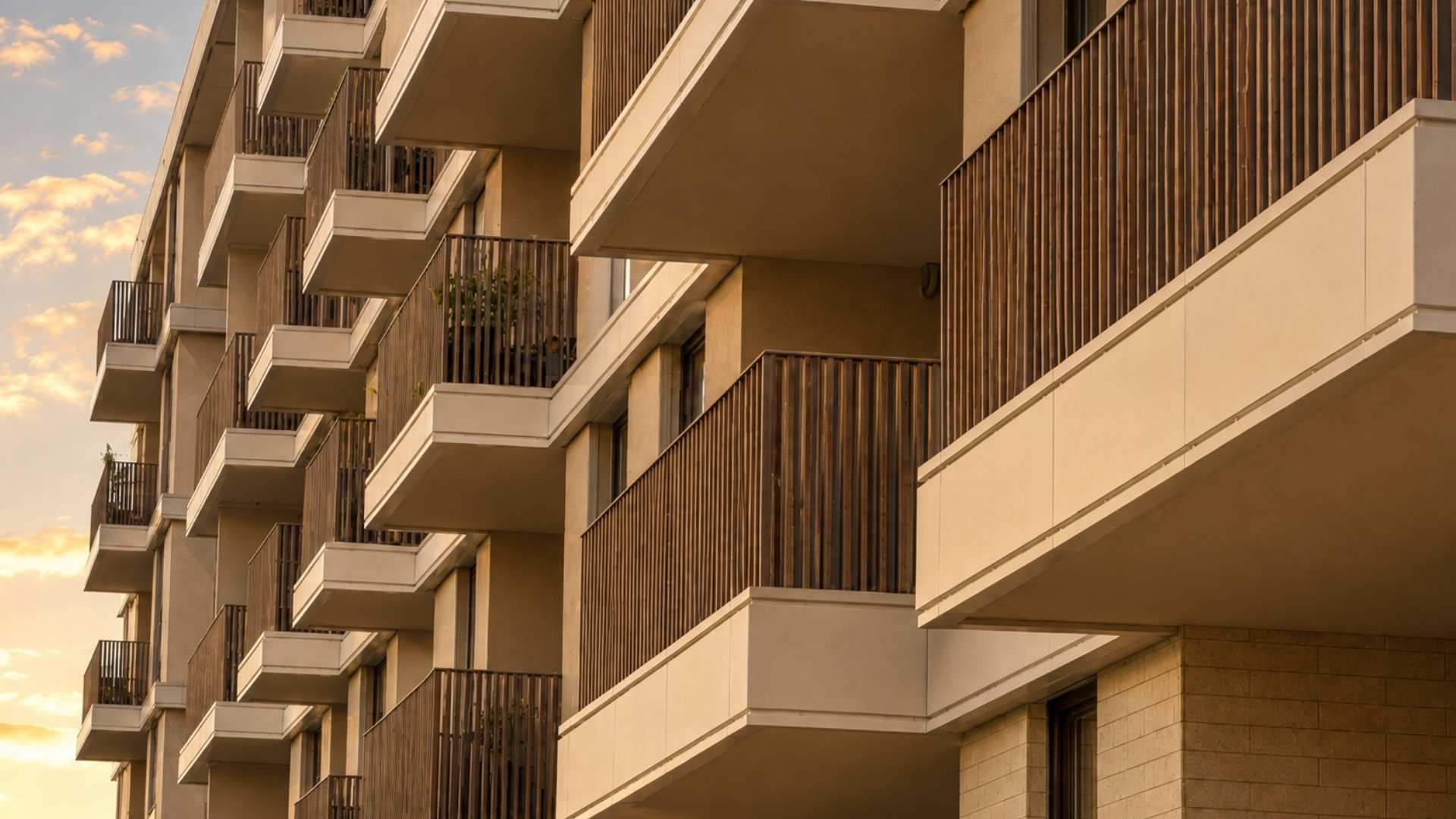
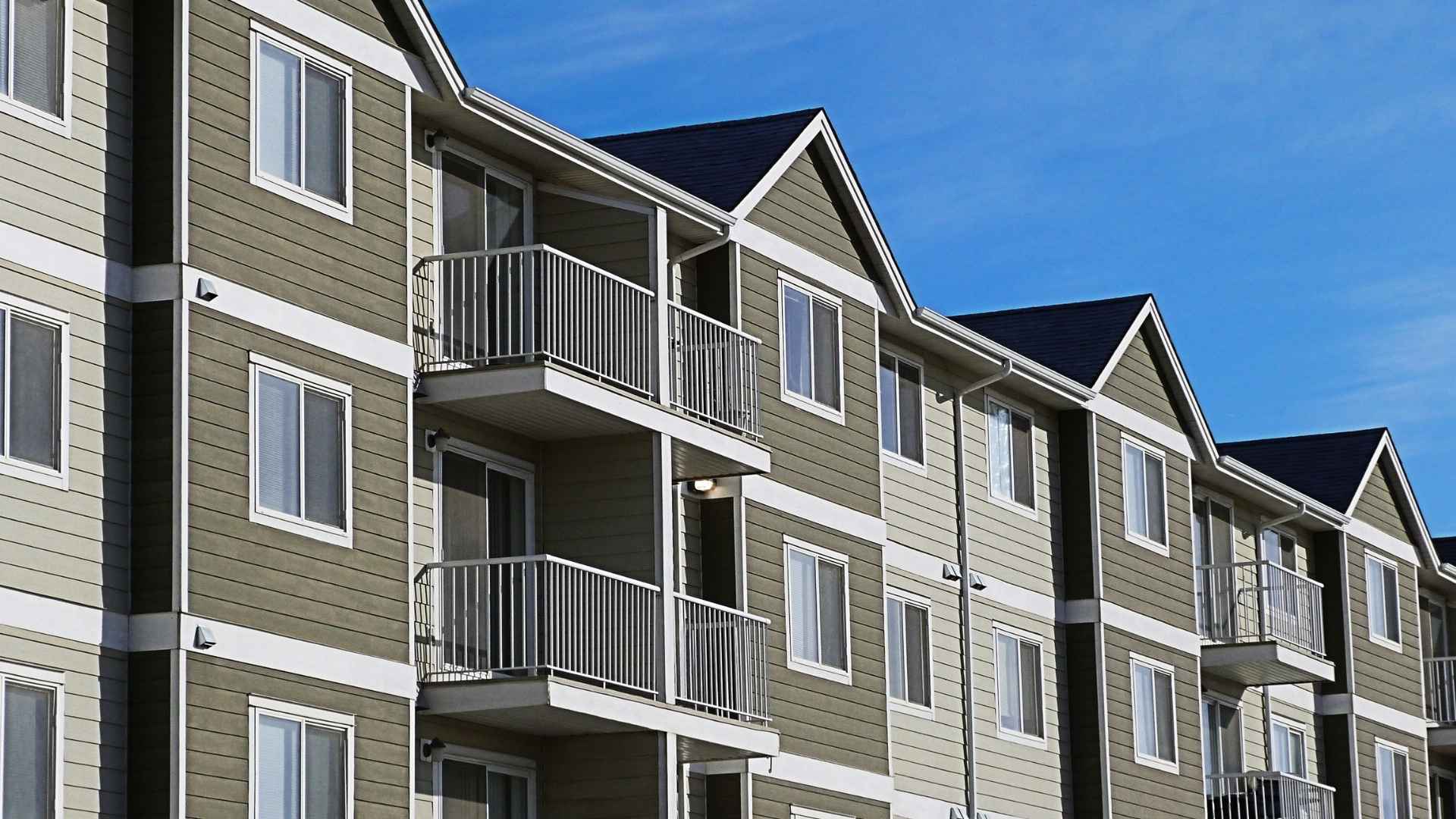
An exterior elevated element may include a balcony, deck, porch, stairway, walkway, or entry structure that extends beyond the exterior wall of the building and meets the statutory requirements relating to elevation, human use, and wood or wood-based structural support.
The law focuses not only on the visible walking surface but also on load-bearing components and associated waterproofing elements.
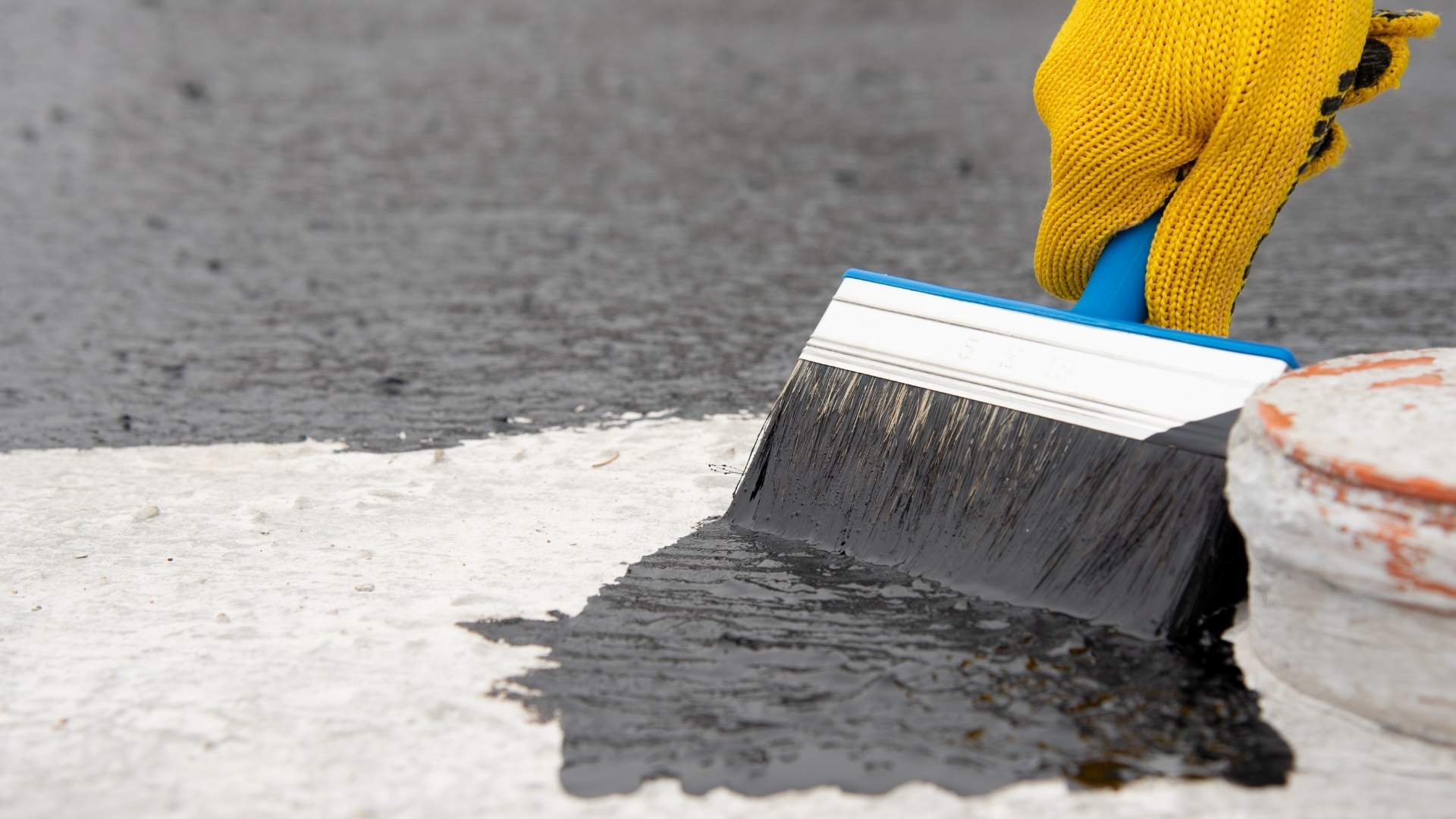
Those waterproofing components can include membranes, flashings, coatings, and sealants that help protect structural components from moisture exposure.
Not every balcony, stairway, or exterior walkway automatically falls under SB 721. Property configuration, construction type, height, structural support, and other factors matter.
If You Missed the Deadline, Start by Establishing Your Current Status
Before beginning repairs or requesting bids, determine exactly where the property stands.
An owner may discover that:
The inspection was never scheduled.
An inspection was completed but the report cannot be located.
A report was completed and identified recommended repairs.
Repairs were started but never completed or documented.
A previous owner completed work but records are incomplete.
Some exterior elevated elements were repaired while others remain unresolved.
The property may fall under a different inspection timeline because of its construction or certificate-of-occupancy date.
Establishing the current status helps prevent unnecessary work and makes it easier to determine the appropriate next step.
Arrange the Outstanding SB 721 Inspection
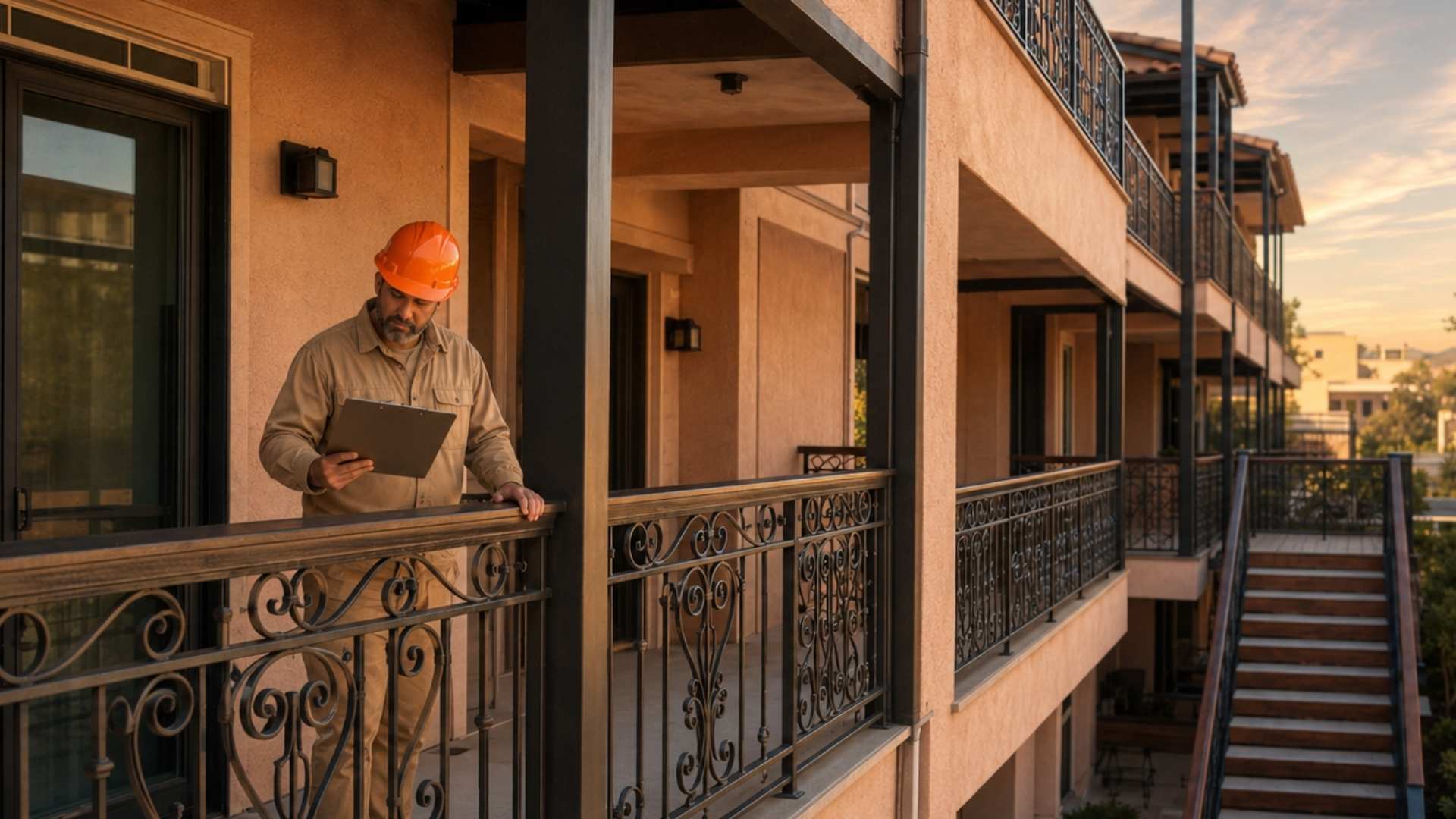
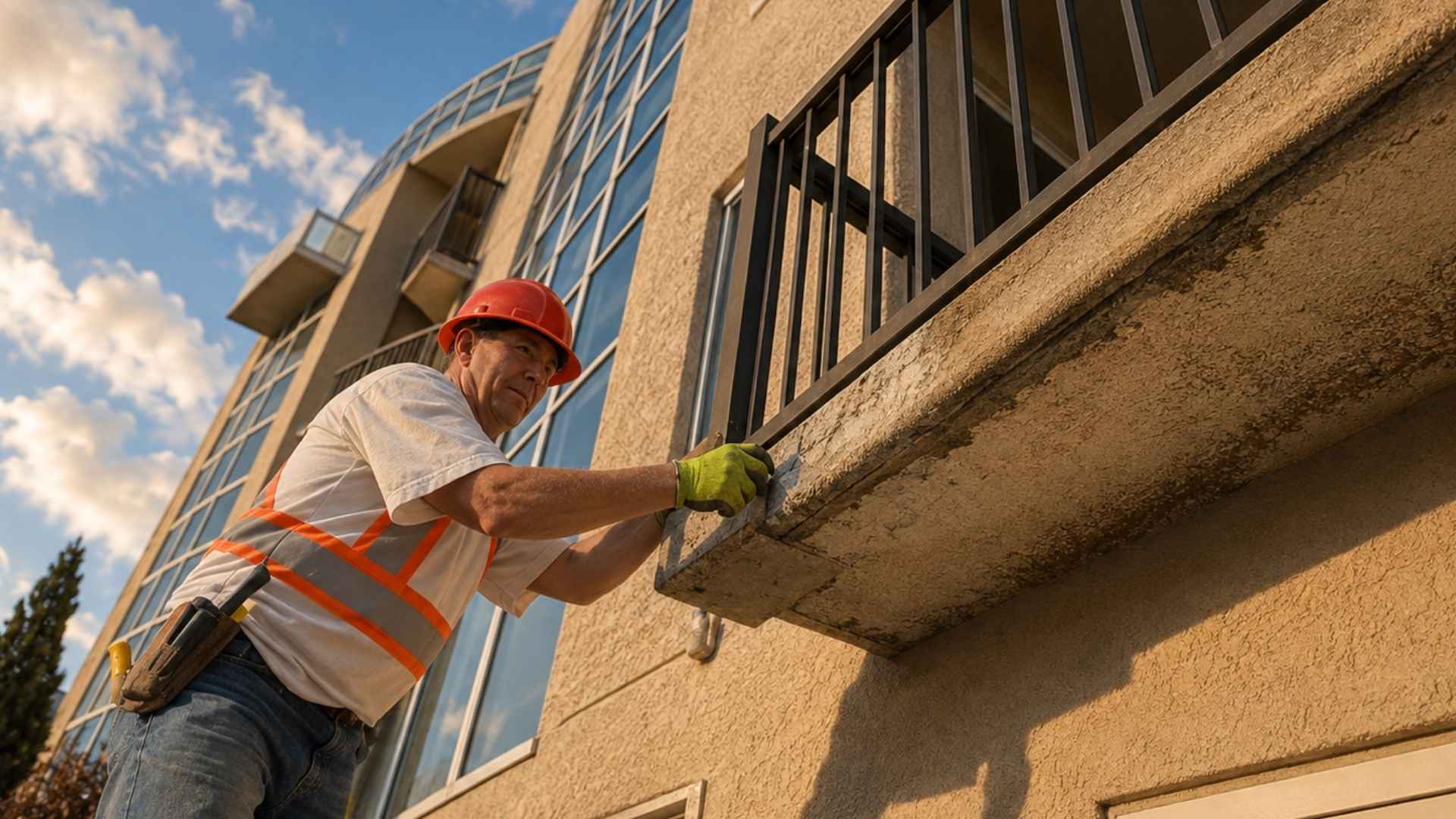
If a covered property has not received the required inspection, the next practical step is to arrange one with a qualified inspector permitted under California law.
SB 721 allows inspections to be performed by specified qualified professionals, including licensed architects, licensed civil or structural engineers, certain appropriately licensed contractors with the required experience, and qualifying certified building inspectors or building officials as provided by the statute.
The inspector is hired by the building owner.
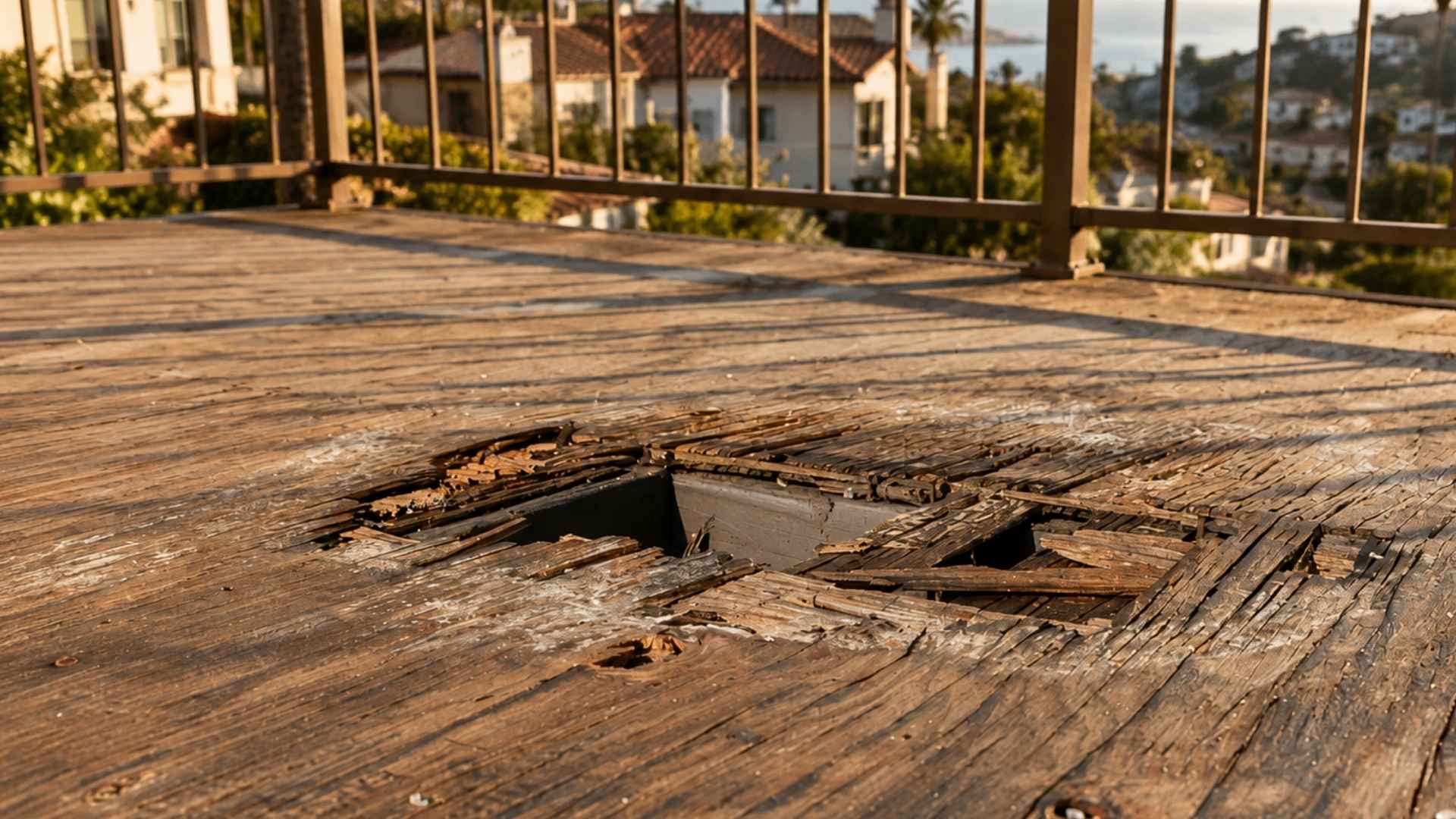
The inspection is intended to evaluate the condition of qualifying exterior elevated elements and their associated waterproofing components, with particular attention to deterioration, decay, fungus, improper alterations, and other conditions that may affect safety.
At least 15 percent of each type of qualifying exterior elevated element must be included in the statutory inspection sample.
What Should Be in an SB 721 Inspection Report?
The inspection should result in a written report provided to the property owner or the owner’s designated representative.
The report establishes a baseline record of the inspected components and includes information such as photographs, applicable test results, observations about current condition, projected future performance or service life, and recommendations for additional inspection when appropriate.
Most importantly, the report should identify whether any inspected exterior elevated element presents an immediate threat to occupant safety and whether restricting access, emergency repairs, shoring, or other protective measures are necessary.
For a property owner, the inspection report becomes the starting point for deciding what happens next.
What Happens If the Inspection Finds an Immediate Safety Issue?
SB 721 treats conditions presenting an immediate threat to occupant safety differently from ordinary corrective work.
If an inspector determines that an exterior elevated element presents an immediate safety threat or requires access restrictions, emergency repairs, shoring, or similar measures, the owner is required to take the necessary preventive measures immediately.
Restricting occupant access to the affected exterior elevated element until emergency repairs can be completed may be part of that response.
These situations should not be handled as routine deferred-maintenance projects.
Owners should follow the inspector’s recommendations and coordinate with the appropriate qualified professionals, contractors, and local enforcement authorities as required.
What If Repairs Are Needed but the Condition Is Not an Emergency?
Not every inspection finding represents an immediate safety threat.
For corrective work that the inspector determines does not pose an immediate threat to occupants, California law establishes a process for obtaining permits and completing repairs.
Under Health and Safety Code Section 17973, the owner generally must apply for the necessary repair permit within 120 days after receiving the inspection report. Once the permit is approved, the statute generally provides another 120 days to complete the repairs unless the local enforcement agency grants an extension.
The actual repair process can involve additional steps before construction begins.
Depending on the findings, those steps may include:
Reviewing the inspection report.
Developing a defined repair scope.
Obtaining architectural or engineering input when necessary.
Evaluating waterproofing and drainage conditions.
Preparing permit documents.
Obtaining contractor pricing.
Coordinating resident access.
Securing permits.
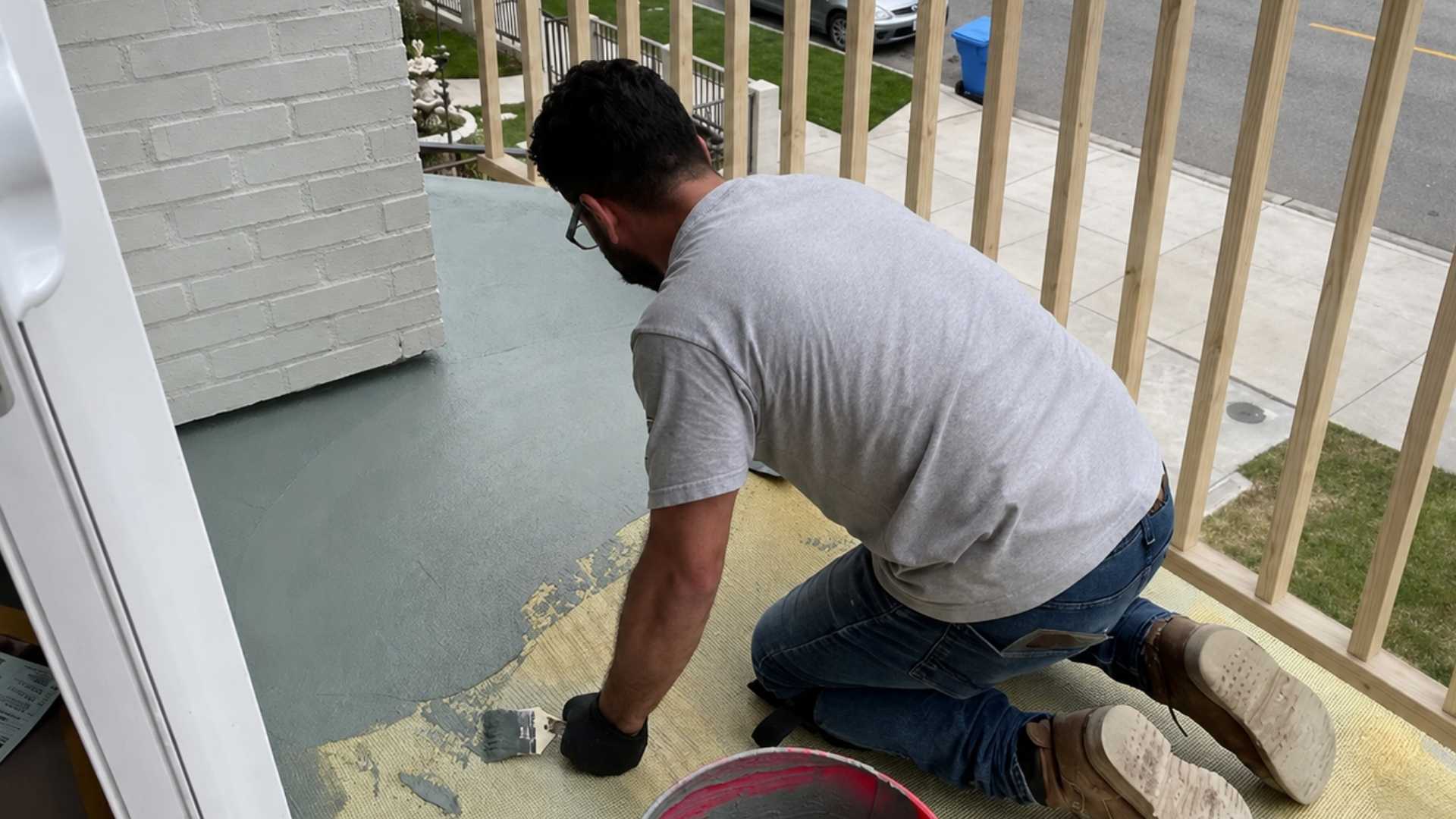
Completing structural and waterproofing repairs.
Scheduling required inspections.
Documenting project completion.
The objective should be to move from a report containing findings to a clearly defined and properly documented repair project.
Do Not Assume Every Failed Balcony Requires Complete Replacement
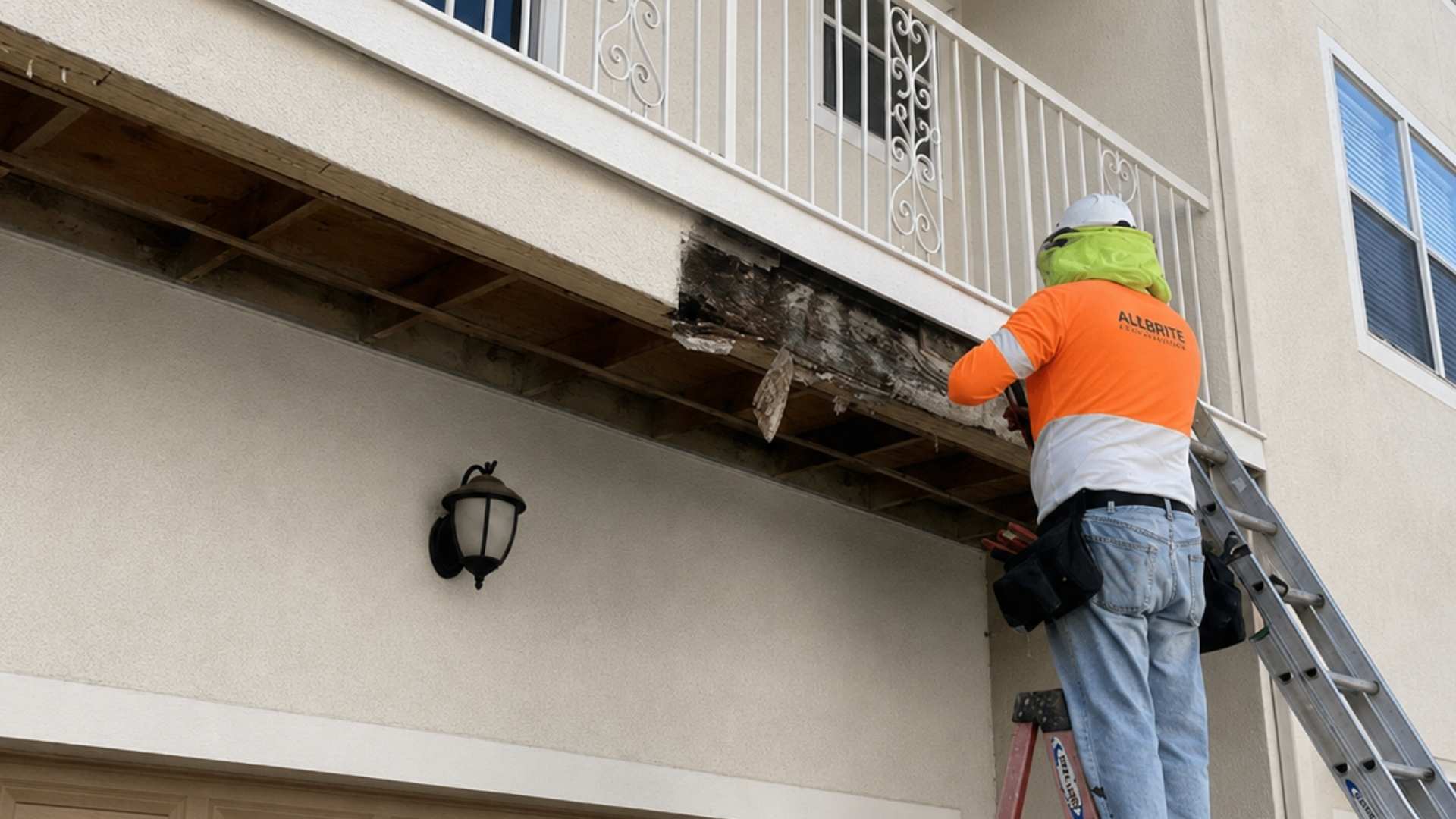
An inspection finding does not automatically mean an entire balcony, deck, stairway, or walkway must be demolished and rebuilt.
The appropriate repair scope depends on the nature and extent of the condition identified.
Some properties may require localized repairs to deteriorated framing or waterproofing systems. Others may have more extensive concealed deterioration that becomes apparent only after portions of the assembly are opened.
This is one reason owners should avoid seeking construction pricing based only on a vague description such as “balcony repair.”
A clear repair scope makes contractor proposals easier to compare and helps reduce uncertainty during construction.
Waterproofing Should Be Part of the Repair Conversation
Many exterior elevated element problems involve more than structural framing.
Water intrusion can contribute to deterioration of wood-based structural components, which is why SB 721 specifically addresses associated waterproofing elements.
When repairs are planned, owners should consider how water reached the affected area in the first place.
Depending on the assembly, this may involve reviewing membranes, coatings, flashing, penetrations, transitions, drainage, door thresholds, wall interfaces, sealants, and other moisture-management details.
Repairing deteriorated material without addressing the source of repeated moisture exposure may leave the underlying problem unresolved.
Keep Your SB 721 Records
Documentation matters.
California law requires building owners to retain inspection reports in the property’s permanent records for at least two inspection cycles. Inspection reports are also required to be disclosed and delivered to a buyer upon a subsequent sale of the building.
Owners should maintain an organized file containing relevant inspection reports, photographs, repair recommendations, permits, construction records, invoices, professional documentation, and available confirmation of completed corrective work.
Good records can make future inspections easier and provide a clearer history of how identified conditions were addressed.
Local Requirements May Be More Restrictive
SB 721 establishes statewide requirements, but California law allows cities and counties to adopt requirements that are more stringent.
That is particularly important for owners of properties in Los Angeles and surrounding jurisdictions.
Local procedures may affect permit requirements, report submissions, enforcement, correction notices, inspection procedures, or documentation.
Property owners should therefore evaluate both the statewide SB 721 requirements and the requirements of the local jurisdiction responsible for the property.
Can There Be Penalties for Unresolved SB 721 Repairs?
The statute contains enforcement provisions for required corrective work that is not completed within applicable timelines.
Depending on the circumstances and local enforcement process, unresolved repair requirements can result in notification to the local enforcement agency and potential civil penalties. The statute provides for civil penalties based on a locally established fee schedule within the statutory range when specified repair requirements remain uncompleted after the required notice period.
Rather than waiting for enforcement to determine the schedule, owners with overdue inspections or unresolved repair findings should work toward establishing a documented path forward.
Already Have an SB 721 Inspection Report? Focus on the Repair Plan
Many California apartment owners are now beyond the inspection stage.
They already have a report.
Their challenge is determining what the findings mean from a construction standpoint and turning recommendations into a practical repair project.
This is where coordination becomes important.
A successful project may require collaboration among the property owner, property manager, inspector, architect or engineer when needed, contractor, waterproofing specialists, permit authorities, and residents.
The repair plan should identify what needs to be corrected, what professional documentation is required, whether permits are necessary, how residents will be affected, and how completion will be documented.
A Practical SB 721 Checklist for Owners Who Missed the Initial Deadline
If your property may be overdue, the following sequence provides a useful starting point:
Confirm whether SB 721 applies to the property.
Determine whether a qualifying inspection has already been completed.
Locate and review all existing inspection reports and repair records.
Arrange an outstanding inspection with a qualified inspector if necessary.
Respond immediately to any condition identified as an immediate safety threat.
Identify non-emergency corrective work and applicable permitting requirements.
Develop a clear repair scope before comparing contractor proposals.
Address both structural deterioration and contributing waterproofing issues.
Coordinate permits, construction access, and resident communication.
Maintain inspection and repair documentation with the property’s permanent records.
Confirm any additional requirements imposed by the local jurisdiction.
Moving Forward After the SB 721 Deadline
January 1, 2026 has passed, but SB 721 compliance did not end on that date.
For owners who missed the initial inspection deadline, the most useful response is to stop thinking in terms of an approaching deadline and start thinking in terms of the property’s current condition and outstanding requirements.
Determine what applies. Complete what is missing. Address safety concerns promptly. Develop a reasonable repair scope. Keep the documentation organized.
LA Construction Consultants works with apartment owners, property managers, and multifamily property stakeholders throughout Los Angeles to help move balcony, deck, stairway, and exterior elevated element projects from inspection findings into repair planning and construction.
If you already have an SB 721 inspection report, we can review the construction-related findings with you and help develop a practical path for budgeting, permitting, repairs, waterproofing, and project closeout.
This information is provided for general educational purposes and is not legal or engineering advice. Requirements can vary based on the property, inspection findings, and local jurisdiction.