SB 410 Added a New Layer to HOA Balcony Compliance
California condominium associations already had SB 326 inspection obligations before 2026.
SB 410 added new requirements affecting how inspection information is documented, retained, and used.
For HOA boards, the practical lesson is that an exterior elevated element report is no longer something that should disappear into a management file after the inspection is complete.
Inspection Reports Have Long-Term Importance
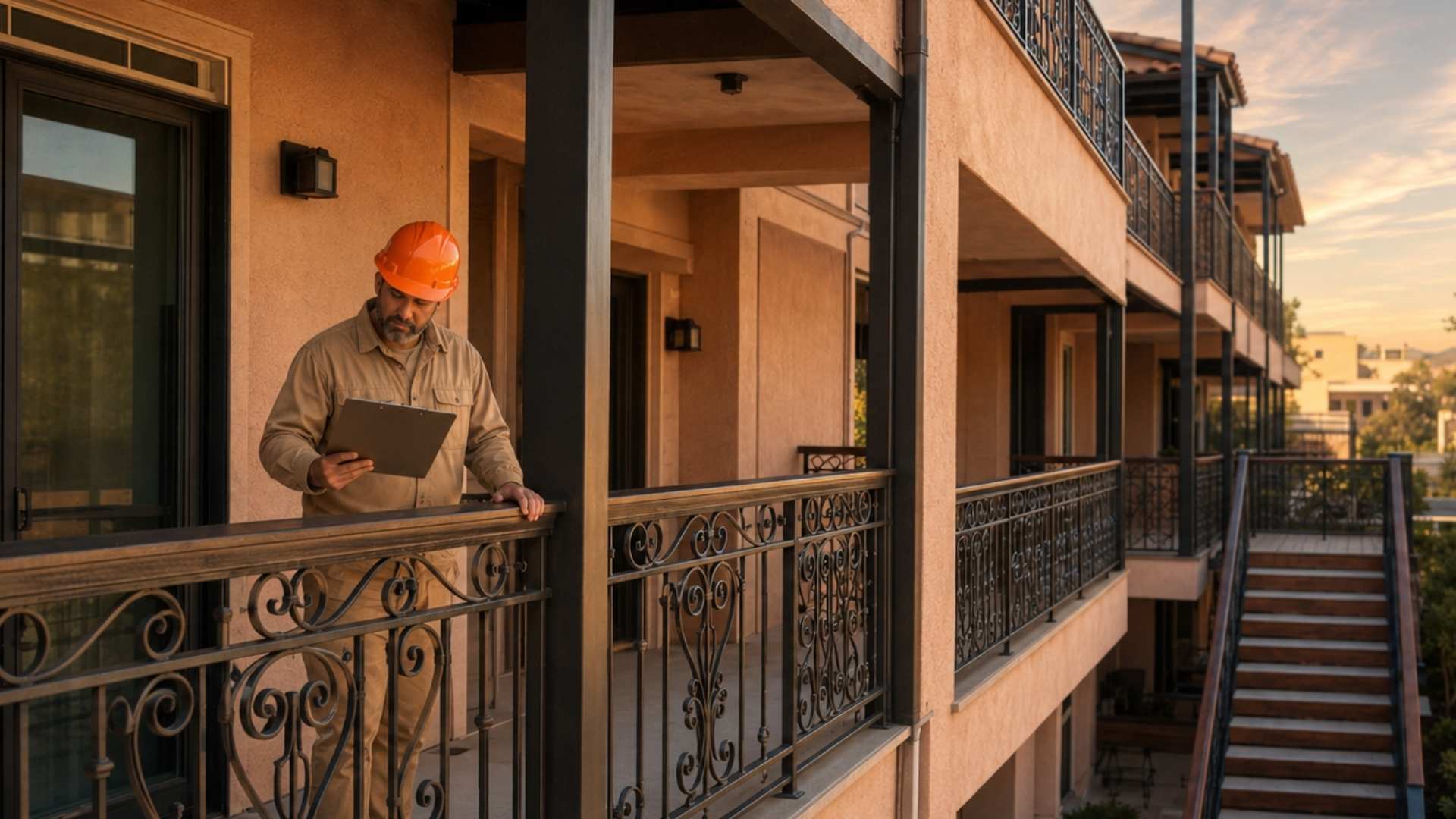
The report documents the condition of the association’s covered exterior elevated elements at a specific point in time.
It can also establish repair recommendations, safety findings, service-life expectations, and conditions that future boards will need to understand.
SB 410 increases the importance of treating this information as part of the association’s institutional record.
Real-Estate Transactions Matter
Balcony inspection information can become relevant when condominium units are sold.
That makes accuracy, record retention, and accessibility increasingly important.
Boards and managers should know where the most recent report is stored and who is responsible for providing required association documents.
Reporting Should Match the Actual Property
A well-organized inspection report should make it possible to identify the buildings and exterior elevated elements evaluated.
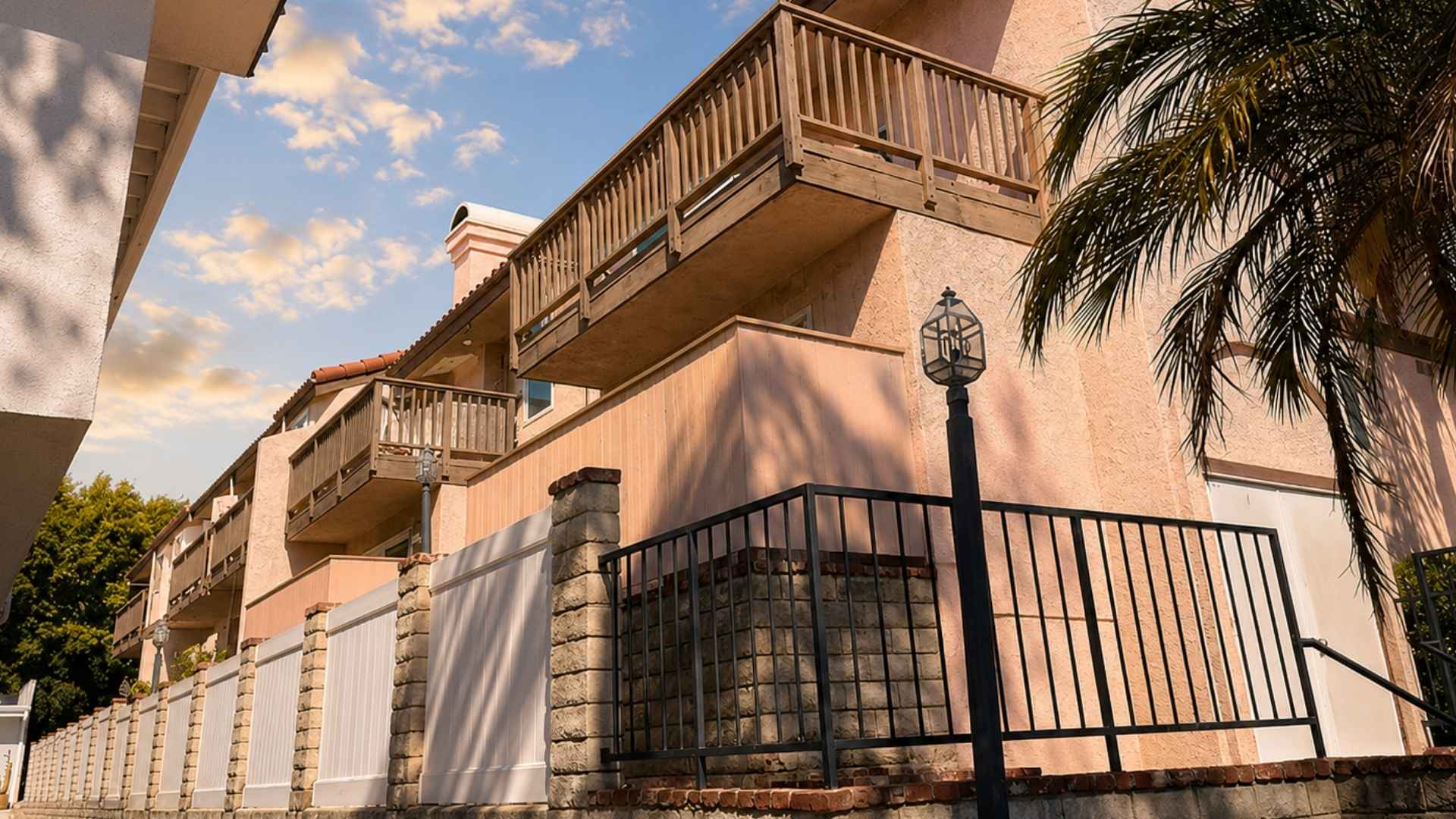
Associations with multiple buildings, repeated balcony types, or phased construction should maintain records carefully so repair history can be connected to specific locations.
Repair Documentation Matters Too
The inspection report is only half of the story.
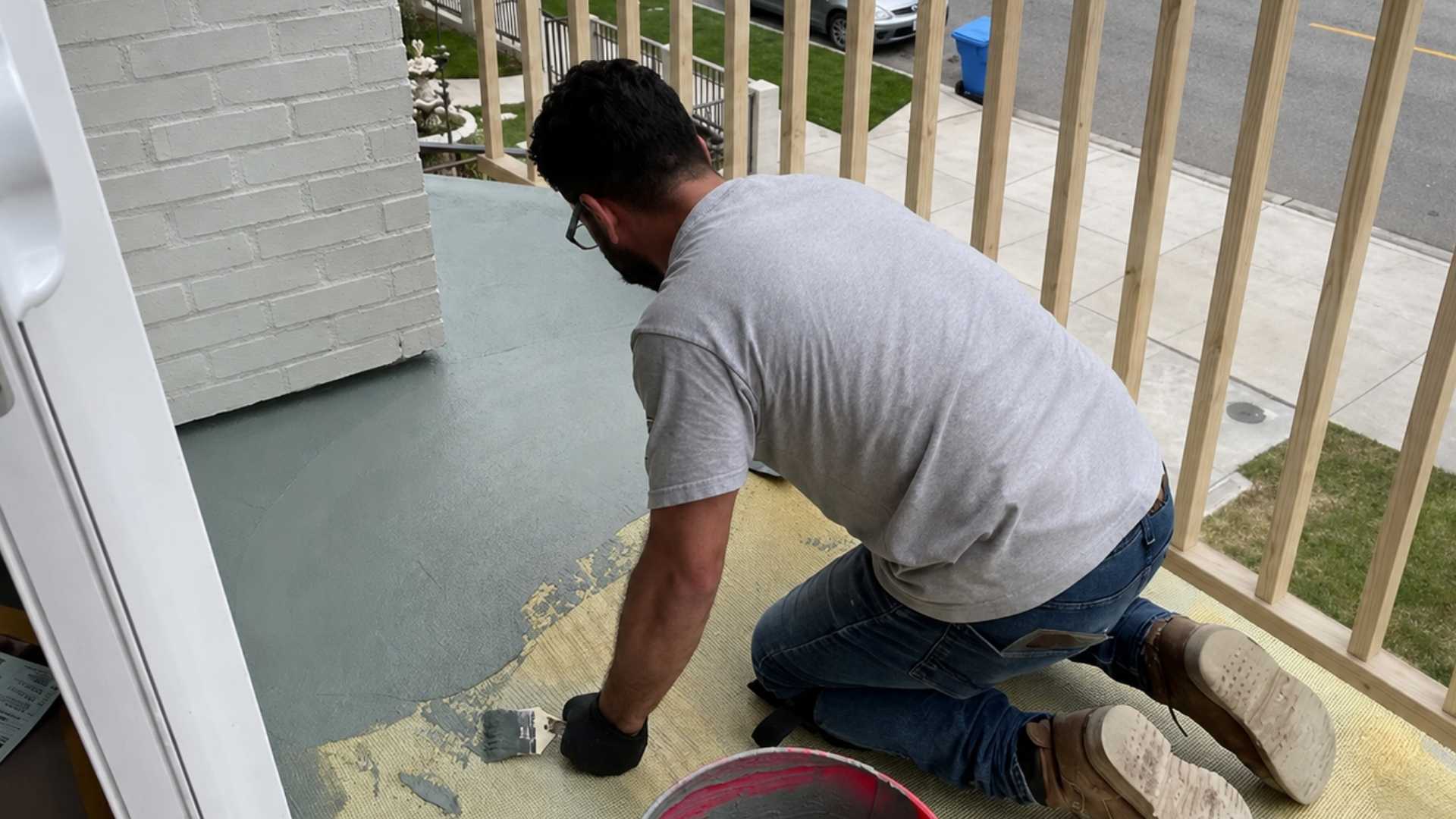
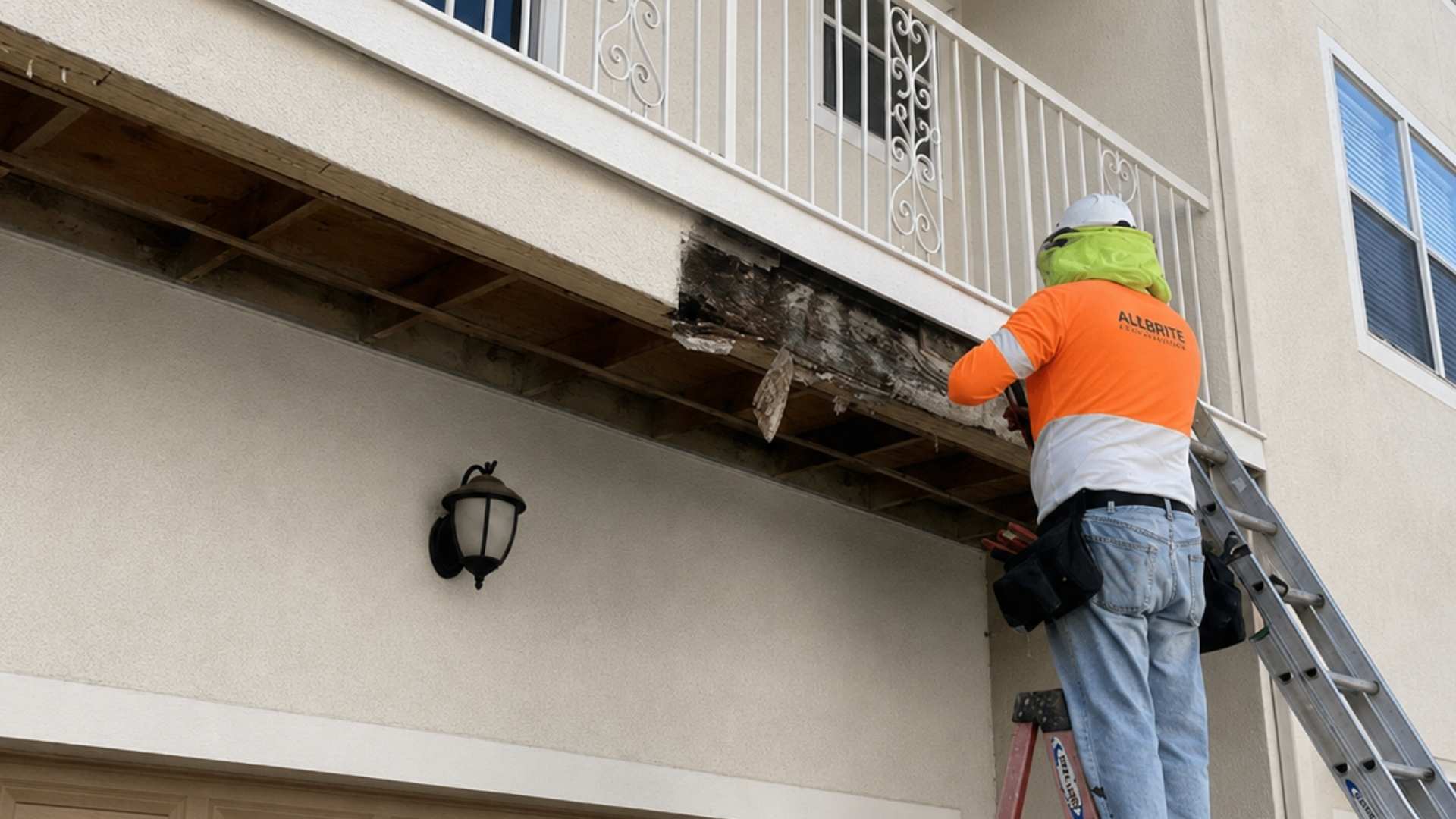
If the report identifies deficiencies and the association later performs repairs, the project file should show what happened next.
Useful records may include:
Engineering or architectural plans
Permits
Contractor agreements
Construction photographs
Waterproofing information
Inspection approvals
Change orders
Completion documentation
Future boards should not have to guess whether a recommendation from a prior report was resolved.
Boards Should Coordinate With Their Professionals
SB 410 intersects with association governance, disclosure, records, and property condition.
HOA boards should coordinate with association counsel, management, inspectors, design professionals, and contractors where appropriate.
Construction professionals can help with repair execution, but legal interpretation and association disclosure obligations should be addressed by qualified legal professionals.
Use the Report for Capital Planning
Inspection reports can also improve reserve and repair planning.
If several balcony assemblies show aging waterproofing but no immediate structural threat, the board can use that information to consider preventive maintenance or future rehabilitation.
Waiting until the next statutory inspection is not always the most efficient maintenance strategy.
A Better HOA Workflow
The strongest approach is to connect inspection, reporting, repair, budgeting, and documentation into one continuous process.
LA Construction Consultants helps Los Angeles-area HOAs and property managers move from balcony inspection findings into defined repair projects.
This information is general and is not legal advice.