Balcony Reports Are No Longer Just Maintenance Documents
For years, many HOA boards viewed inspection reports primarily as maintenance records.
That is changing.
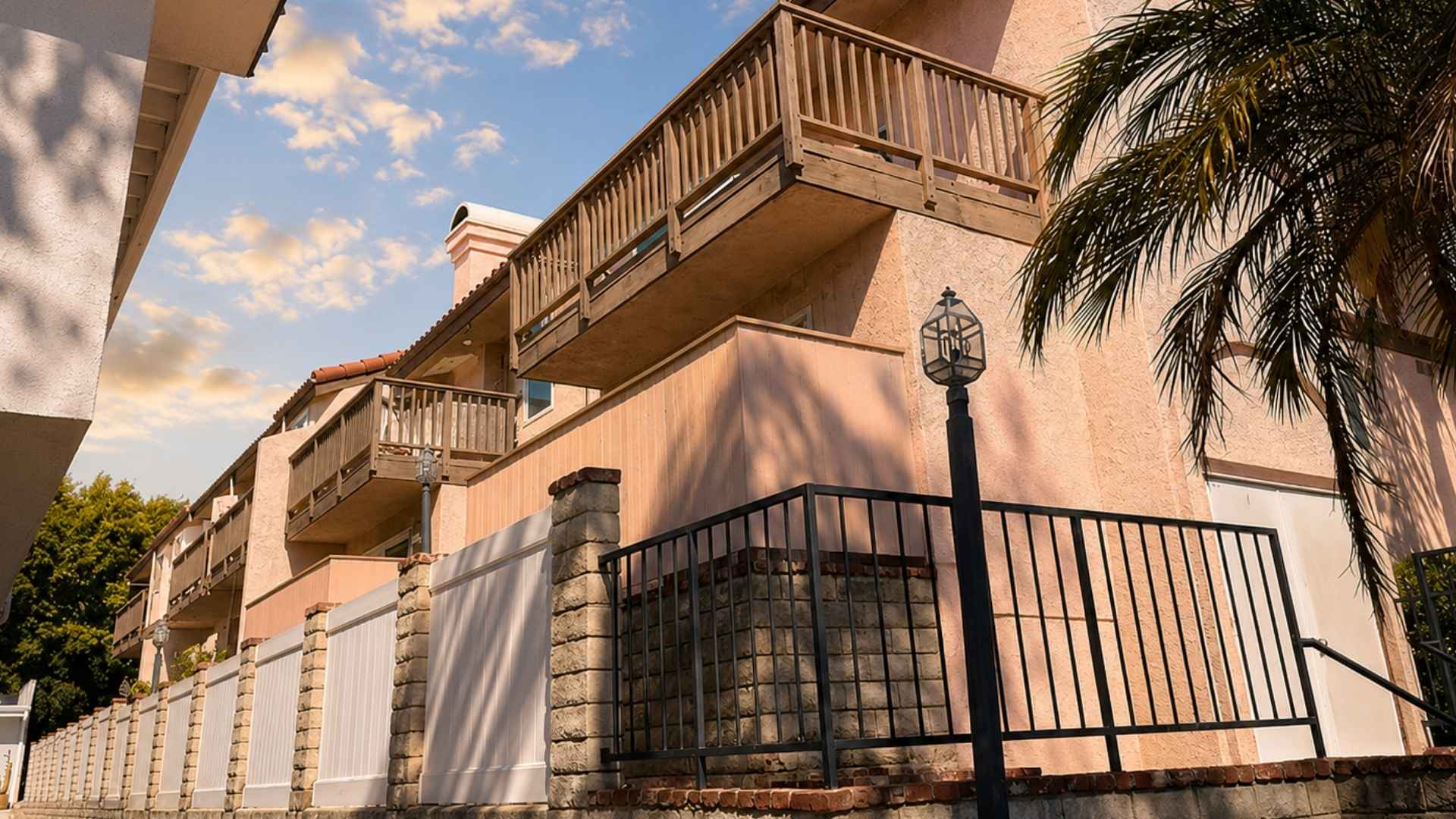
California’s evolving exterior elevated element requirements make the association’s inspection documentation increasingly relevant during ownership transfers.
Buyers Want to Understand Deferred Maintenance
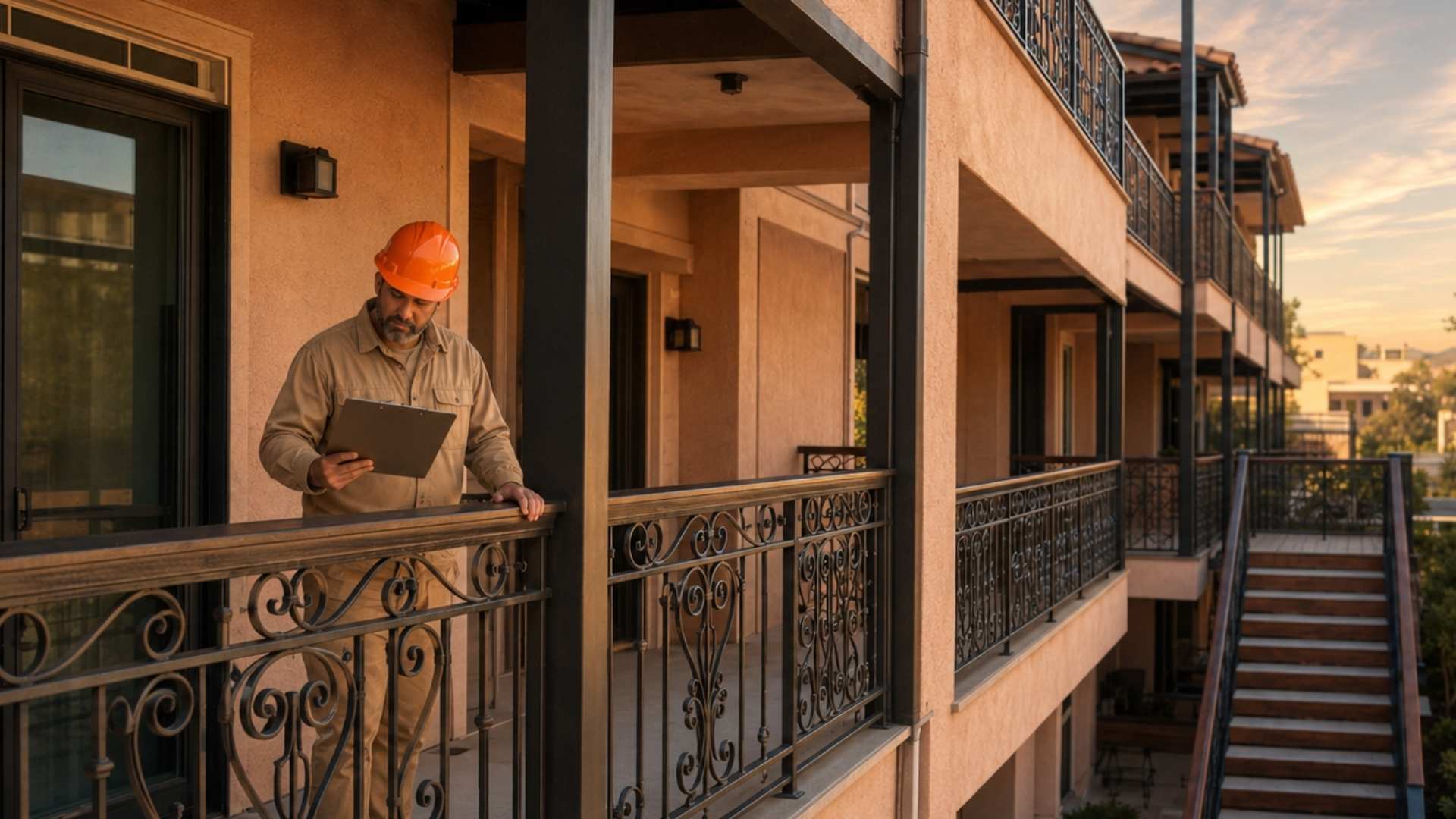
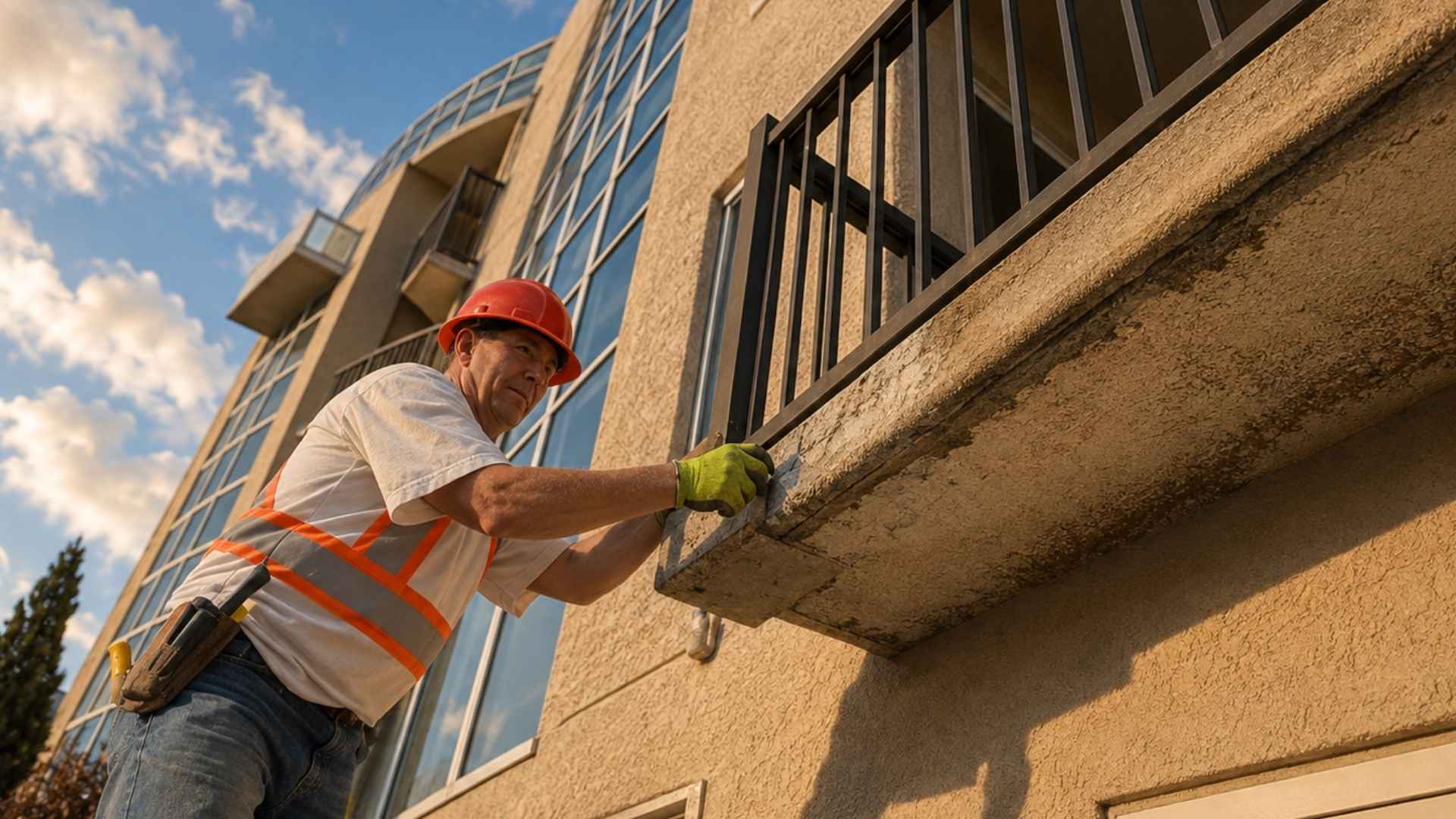
A purchaser reviewing association documents may want to know whether required inspections were completed, what the reports found, whether repairs were recommended, and whether those repairs have been completed.
An unresolved structural or waterproofing issue can become part of a broader conversation about association maintenance and future expenses.
The Report Needs Context
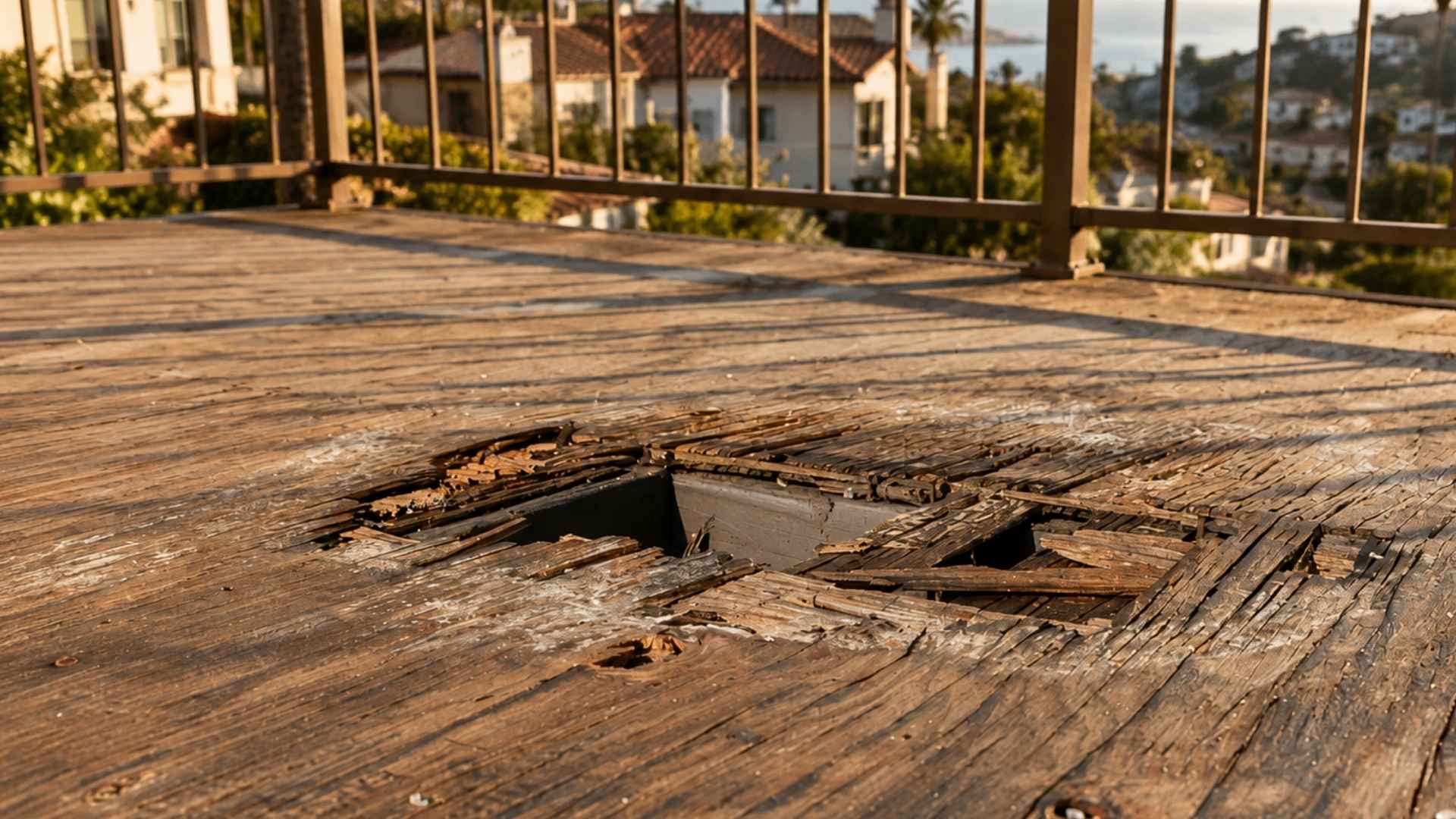
An inspection report identifying deterioration does not necessarily mean the property is unsafe or that complete replacement is required.
Buyers, sellers, managers, and boards should understand whether the report identifies an immediate safety condition, routine corrective work, preventive maintenance, or additional evaluation.
Completed Repairs Should Be Documented
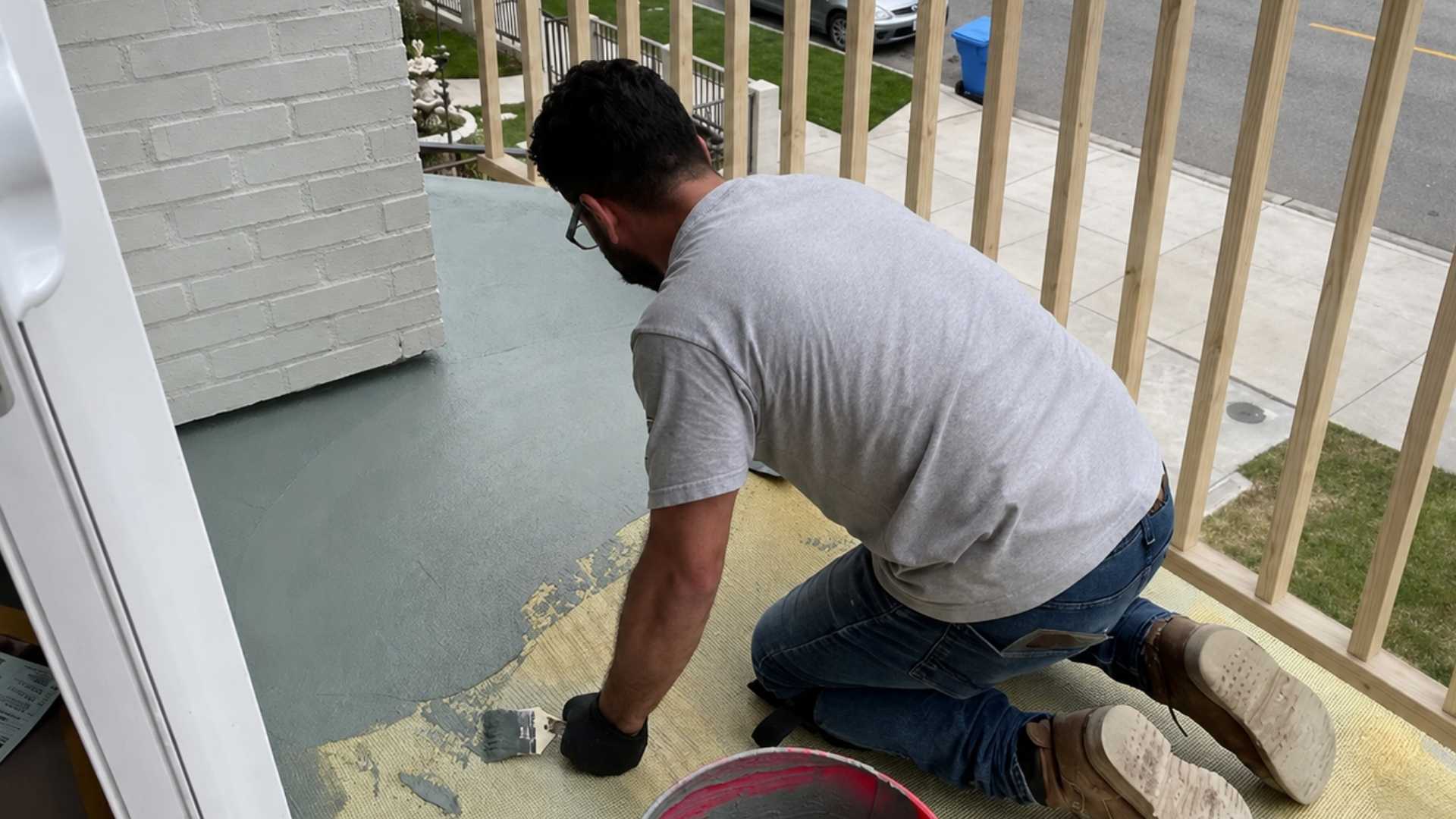
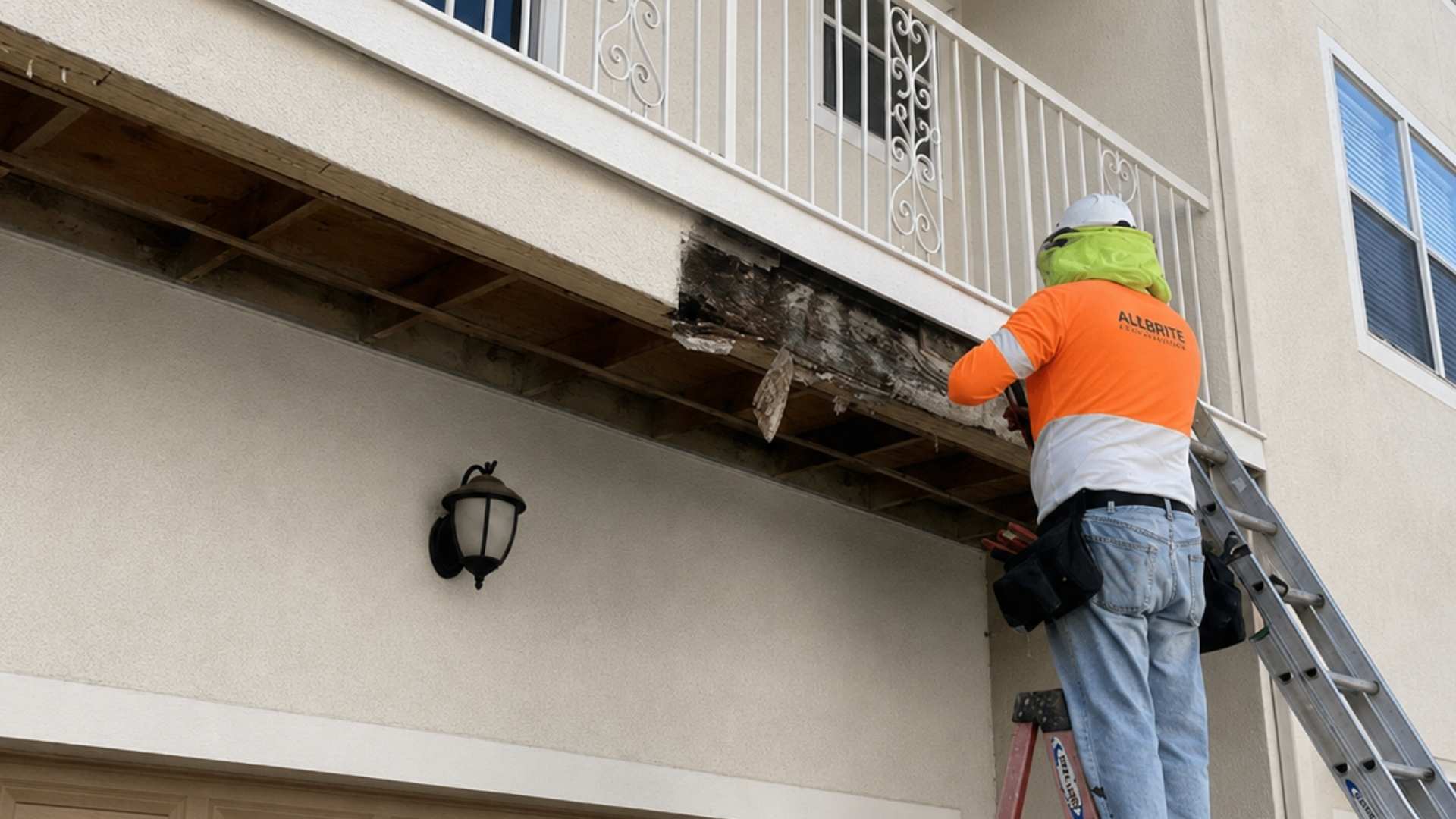
If the association has already repaired the condition, retaining the construction records can help explain what happened after the inspection.
A useful file can include plans, permits, contractor documentation, final inspection records, and photographs.
Without those records, future parties may see the original finding but have difficulty confirming the outcome.
Escrow Is a Bad Time to Discover Missing Records
Associations should organize records before a unit enters escrow.
Trying to locate old reports, permits, or repair documentation under transaction deadlines can create avoidable delays and confusion.
Boards Should Avoid Making Transaction Guarantees
Neither an HOA nor its contractor should promise that a particular report or repair will guarantee financing, insurance approval, or a successful sale.
Different lenders, buyers, insurers, and transactions evaluate property information differently.
The goal should be accurate documentation, not guarantees.
Repair Planning Can Support Better Disclosure
When an association receives a report with significant findings, developing a clear repair plan can help the board explain what is being done.
A defined scope, budget, schedule, and permit strategy create more useful information than simply stating that repairs are “under review.”
Keep Inspection and Construction Records Connected
The strongest records show a clear sequence:
Inspection identified a condition.
The association evaluated it.
A scope was developed.
Permits or professional plans were obtained when required.
The repair was completed.
Final documentation was retained.
That history can be valuable well beyond the original project.
LA Construction Consultants and HOA Repair Planning
LA Construction Consultants helps condominium associations and property managers throughout Los Angeles translate inspection findings into repair projects involving structural work, waterproofing, permitting, budgeting, and construction.
This information is general and should not be treated as legal, financing, insurance, or real-estate advice.